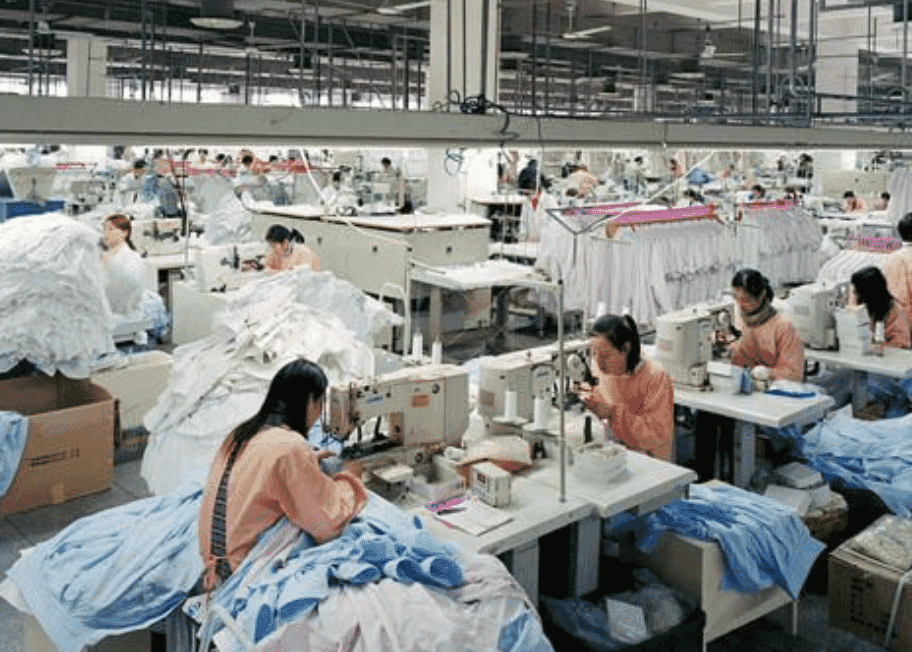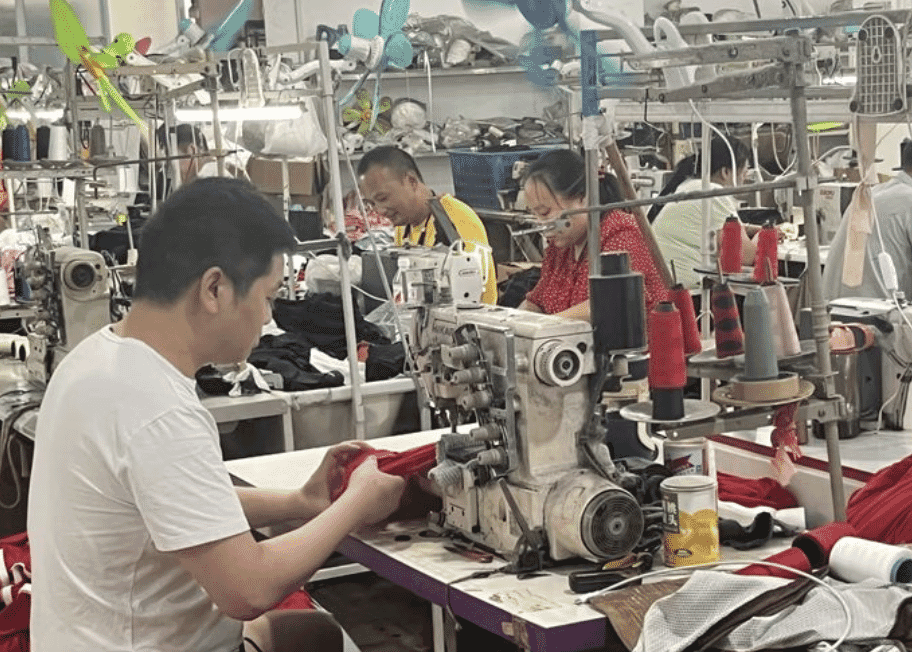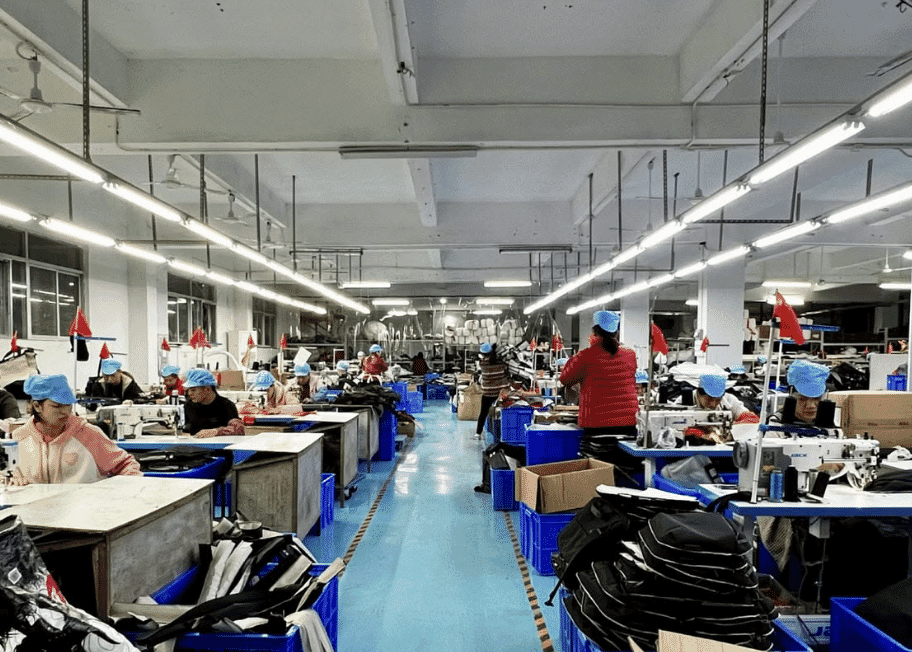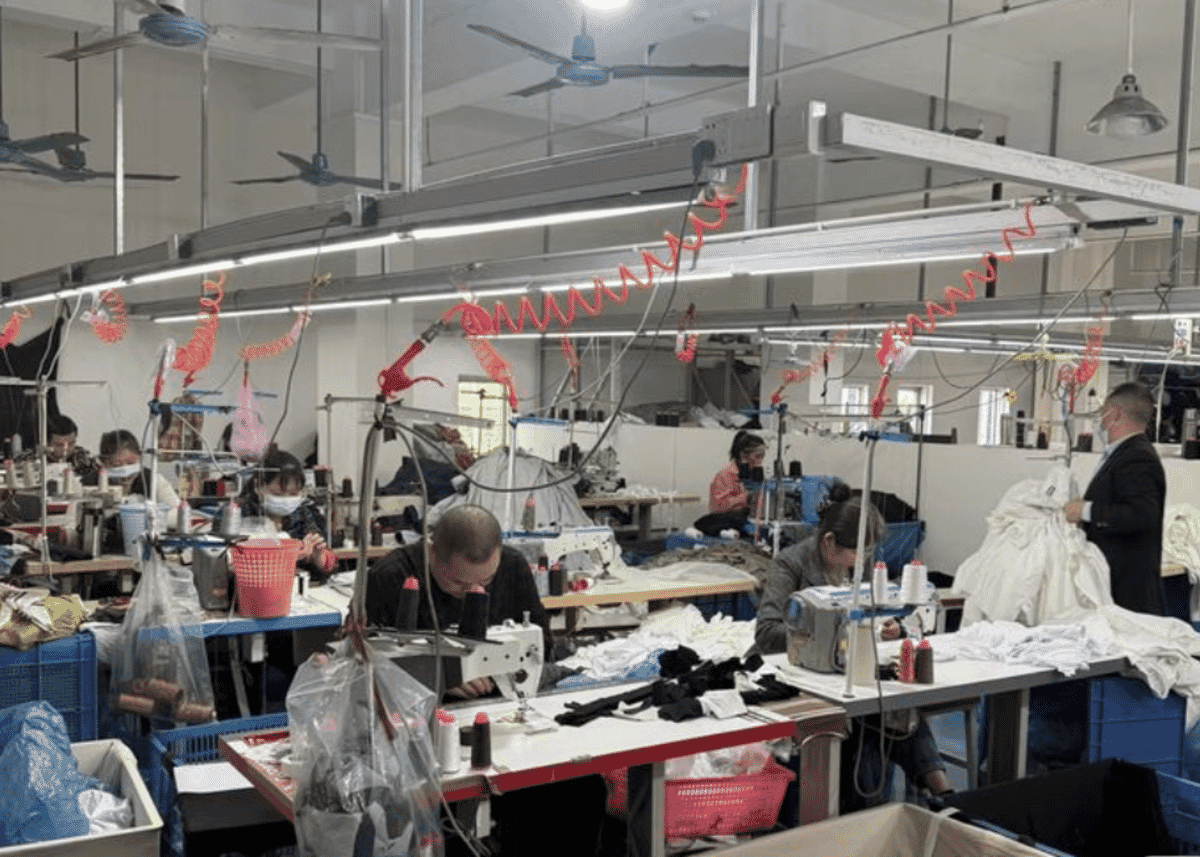
Swimwear is one of the hardest small-batch garments to get right, because the fabric is under attack while the customer wears it. Chlorine, salt, sunscreen, UV and body oils all attack elastane, and a swimsuit that looks perfect in the sample room can bag out after one season of pool use.
It is also the category with the least forgiveness in fit. There is no ease, no drape and nothing to hide behind. Every millimetre of the pattern shows on the body, which is why swimwear factories are a genuine specialism rather than a line extension.
This guide covers the fabrics and why the elastane percentage matters less than the elastane type, chlorine resistance, lining, the construction methods, sizing, and how to check a swimwear supplier in China.
Note: China Clothing Manufacturer is a group of documented clothing factories in China, producing for brands from 100 pieces per style. This guide quotes no swimwear prices or factory minimums: the trade and duty figures come from the public sources listed at the end, and we confirm the exact minimum and price with the factory when you send a brief.
Key takeaways
- The two fabric families are nylon/elastane and polyester/elastane, and they behave differently.
- Chlorine resistance comes from the fibre choice, not from a finish you can add later.
- Elastane type matters more than elastane percentage.
- Lining is a compliance issue as much as a comfort one, because of opacity when wet.
- Swimwear uses flatlock and coverstitch, plus bonding at the premium end.
- Recycled nylon is widely available and the claim needs a certificate.
- Fit tolerance is tighter than any other category, so grading errors are brutal.
Nylon or Polyester: Which Swim Fabric?
This is the first decision and it sets durability, hand-feel, colour and price. Nylon with elastane gives the softer hand and better colour, and degrades in chlorine. Polyester with elastane resists chlorine inherently and feels firmer. The choice is not a preference, because it decides whether the product survives the use it is sold for.
Nylon with elastane is the fashion swimwear default. Softer hand, better drape, richer colour depth, and it feels more expensive. It is also more vulnerable to chlorine and to UV degradation, which is why it dominates resort and fashion rather than lap swimming.
Polyester with elastane holds colour far better, resists chlorine substantially better, and dries faster. The trade-off is hand-feel, since polyester swim fabric is typically firmer and less luxurious against skin. It is what competitive and training swimwear is made from.
The commercial read: if your customer wears the product at a beach or by a pool a handful of times a season, nylon is the right call. If they swim in chlorinated water weekly, polyester will still look acceptable in a year when the nylon piece will not.
Ask for the fabric weight in g/m² and the elastane content, but do not judge on them alone. Heavier constructions are used for sculpting and support styles, and as with any knit, weight does not tell you recovery, which is the property that decides whether the garment bags out.
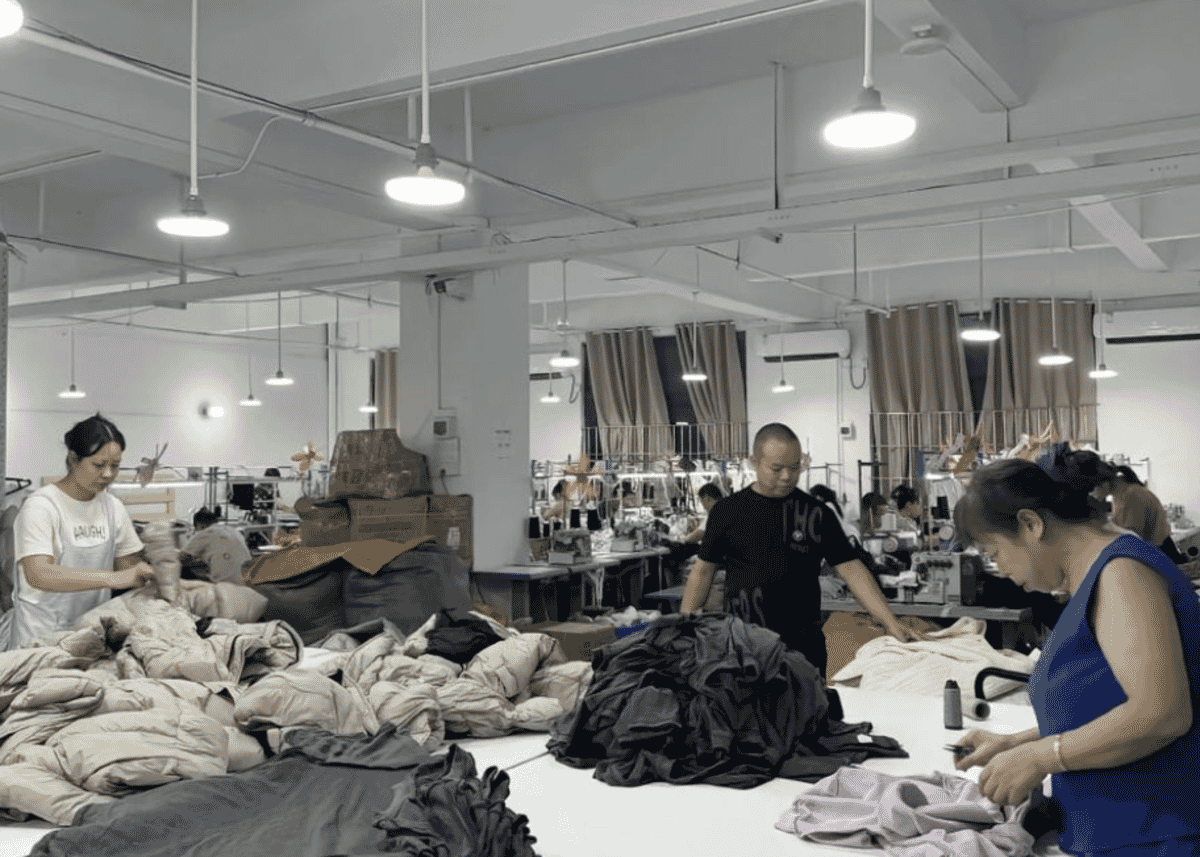
Citation Capsule: Swimwear fabric divides into nylon-elastane and polyester-elastane. Nylon offers superior hand-feel, drape and colour depth but degrades faster under chlorine and UV exposure. Polyester retains colour and resists chlorine substantially better while feeling firmer against skin, which is why competitive swimwear uses it and fashion swimwear does not.
Developing a swim range? Send the reference and the use case and we will tell you which fabric family fits. No cost. Send it here.
What Makes a Swimsuit Chlorine Resistant?
The fibre, not a treatment. This is the most commonly misunderstood point in the category and it costs brands money every season. Polyester-based fabrics resist chlorine degradation because of what they are made of. No finish applied to a nylon-elastane fabric changes that, whatever the supplier calls it on the quotation.
Chlorine attacks elastane by breaking the polymer chains that give it recovery. Once that happens the suit loses its snap, the fabric goes slack around the leg openings and the garment is finished regardless of how the colour looks. No finish applied to the surface prevents this, because the damage happens inside the fibre.
Two genuine options exist. Use a chlorine-resistant elastane, which is engineered to withstand exposure and is sold under specific brand designations by fibre producers. Or remove elastane from the equation with a polyester-PBT construction, where the stretch comes from a textured polyester rather than from elastane, which makes it far more resistant to chlorine.
The trade-offs are real. Chlorine-resistant elastane costs more and has slightly different stretch behaviour. PBT constructions have less stretch and a distinctly firmer hand, which is why they appear in training swimwear and rarely in fashion.
If a supplier offers you chlorine resistance without naming the fibre, ask which one. The answer tells you whether you are buying engineering or marketing.
Skip the search: the China factory directory ($49) lists documented factories by category, city and capability, with the verification status of each. One-time payment, instant download.
Citation Capsule: Chlorine resistance in swimwear comes from the fibre, not from a treatment applied afterwards. This is the most commonly misunderstood point in the category: polyester-based fabrics resist chlorine degradation inherently, while nylon-elastane constructions do not, whatever finish is claimed. The fabric decision settles the question before any treatment is discussed.
How Should Swimwear Be Lined?
Lining in swimwear does three jobs, and only one of them is comfort. It provides opacity when the garment is wet, it supplies structure and support, and it finishes the inside against skin. Opacity is the job brands discover last, because a fabric that is opaque dry can be transparent wet and nobody wet-tested it.
Opacity when wet. This is the critical one. Many swim fabrics become translucent when wet, particularly in light colours, and the failure only appears in use. A garment that passes a showroom check can fail completely at a pool.
Structure and support. Lining adds a second layer of stretch fabric, which firms the garment and improves how it holds the body.
Comfort and finish. It hides seam allowances and elastic, and it feels better against skin.
The specification has three parts: whether the piece is lined, whether it is fully or partially lined, and in what. Front-only lining is common and cheap. Full lining costs more and is what most premium references actually have.
Test opacity properly. Wet the sample, hold it to daylight, and stretch it as it would stretch on a body. A dry unstretched sample tells you nothing about the situation the customer will be in.
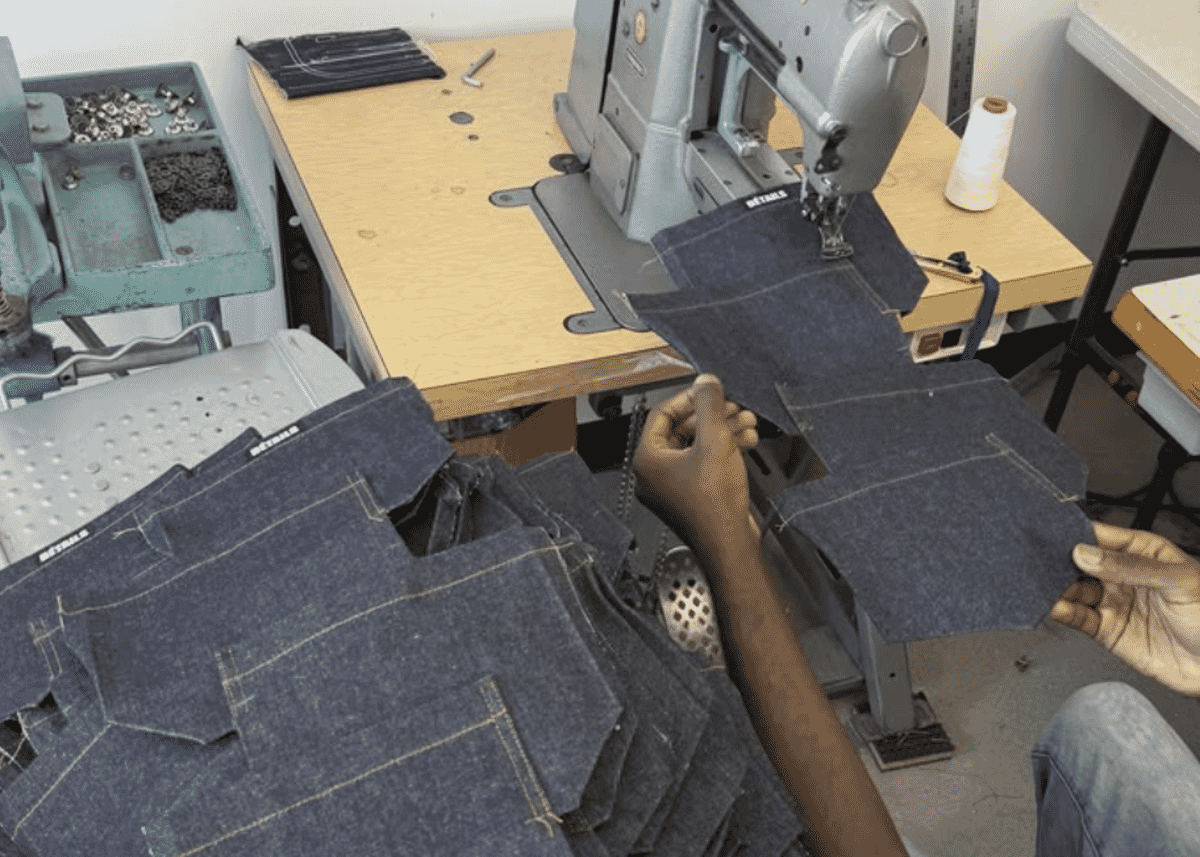
Citation Capsule: Swimwear lining does three jobs and only one is comfort. It provides opacity when wet, structure and support, and a comfortable finish against skin. Opacity is the one brands discover late, because a fabric that is opaque dry can be transparent wet, and nobody wet-tested the sample.
How Is Swimwear Constructed?
Not like other garments, because the seams must stretch with the body and sit flat against wet skin. Four methods are used: overlock for speed, flatlock where the seam touches skin, coverstitch for edges, and bonding or welding for a seamless finish. The method belongs in the specification, per position.
Overlock joins the pieces with a stretchable seam. The workhorse, used everywhere.
Flatlock butts two edges together and stitches across them, producing a seam with almost no ridge. It is what prevents chafing and it is the standard at the mid and upper end.
Coverstitch finishes leg and neck openings over the elastic, giving the clean twin-needle line you see on the inside of a good swimsuit.
Bonding and welding replace stitching with adhesive or heat at the premium end, producing a completely smooth, seamless-looking edge. It requires specific machinery, so not every swim factory can do it, and it carries a higher minimum.
Elastic specification matters more here than anywhere else. Leg and neck elastics come in different widths and tensions, and the tension applied during sewing determines whether the opening grips or gapes. Ask what elastic is used and at what stretch ratio, because it is the difference between a suit that stays put and one that does not.
| Seam method | What it does | Where it goes | What it costs |
|---|---|---|---|
| Overlock | Joins panels with a stretchable seam | General construction throughout the garment | Cheapest and fastest. Forms a ridge, so not where the seam meets skin under load |
| Flatlock | Butts two edges together and stitches across them, leaving almost no ridge | Anywhere the seam sits against skin: side seams, inseams, under straps | Slower than overlock, and the standard at the mid and upper end |
| Coverstitch | Finishes an opening over the elastic with a twin-needle line | Leg openings and neckline | Adds an operation, and it is the visible marker of a properly finished suit |
| Bonding or welding | Replaces stitching with adhesive or heat, giving a seamless finish | Premium smooth-finish garments where no seam line is wanted | Needs dedicated equipment, so it selects the factory before it selects the look |
Specify the method per position rather than per garment. Elastic matters as much as the seam: leg and neck elastics differ in width and tension, and the stretch ratio applied during sewing decides whether an opening grips or gapes.
Citation Capsule: Swimwear is assembled with four seam methods: overlock to join panels, flatlock where a seam sits against skin, coverstitch to finish leg and neck openings over the elastic, and bonding or welding for a seamless premium edge. Bonding needs dedicated equipment, so it narrows the choice of factory. The method, and the elastic tension, belong in the specification for each position.
What Drives Swimwear MOQ?
Fabric and print, as in every knit category, but with a complication specific to swim. A swimsuit needs a shell fabric and a lining fabric, each carrying its own mill minimum, and a print adds a third commitment. Three minimums in one garment is why swimwear reaches volume faster than brands expect.
A swim range typically uses one fabric across many styles, which is good news for minimums. Where it breaks down is colour and print. Each dye colour carries a mill minimum, and each custom print carries its own minimum separate from the dye, so a range with six prints has six sets of minimums regardless of how few pieces you make in each.
Two practical levers. Reduce print count, not piece count. Three prints across eight styles is a far easier order than eight prints across three styles. And use the same base fabric in stock colours for the solid pieces, which removes the dye minimum entirely for part of the range.
The other cost driver brands underestimate is the sheer number of components. A bikini is two garments with two sets of elastics, cups or pads, adjusters, rings, hooks and tags, and every one of those trims has a minimum of its own.
Try it free: get a directional FOB range per piece with the China production cost calculator. No signup to see the range.
Why Is Swimwear Sizing So Difficult?
Because there is no ease. In a t-shirt a centimetre of pattern error disappears into the drape. In a bikini top it is the difference between fitting and not fitting. That intolerance is why graded sizes have to be fitted on bodies rather than calculated from a grade rule and then trusted into production.
Three specific problems. Stretch factor means the garment is cut smaller than the body and relies on the fabric to make up the difference, so a change in fabric recovery changes the fit even with an unchanged pattern. Grading is proportional in a way it is not elsewhere, because bust and underbust do not scale together. And the fit is dynamic, since the garment must stay in place while the wearer moves and while it is wet and heavier.
The defences are practical. Fit on a body, not only on a form, and fit wet as well as dry. Fit at least two sizes across the run. And lock the fabric before finalising the pattern, because changing the fabric after pattern approval invalidates the fit you approved.
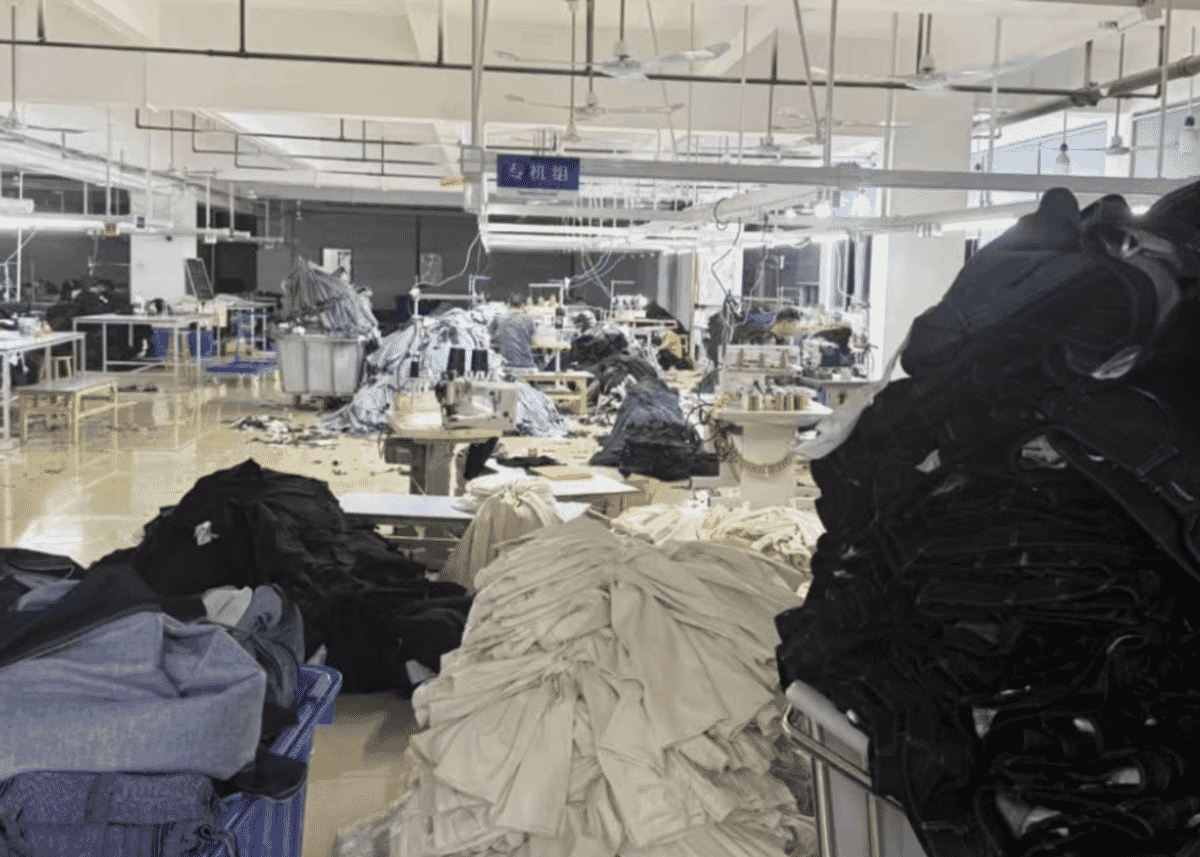
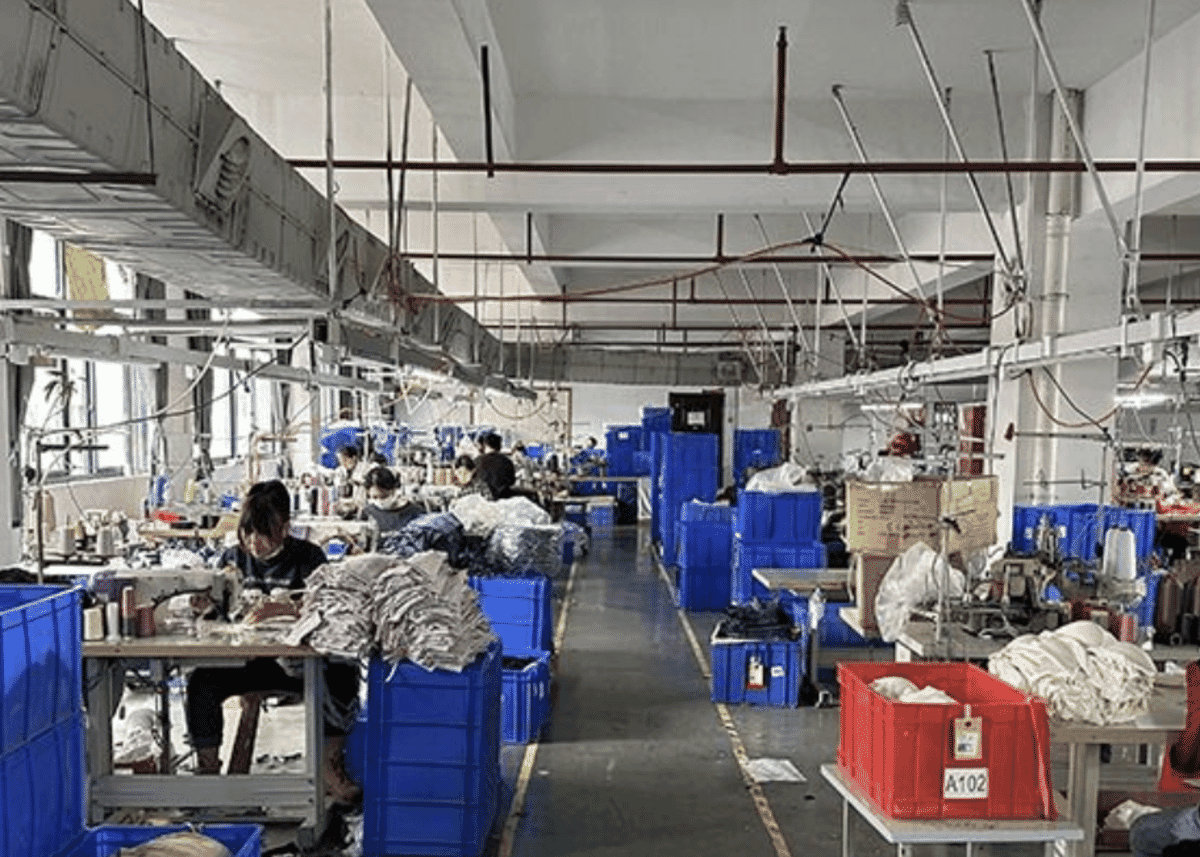
Citation Capsule: Swimwear sizing is less forgiving than any other knit category because there is no ease. In a t-shirt a centimetre of pattern error disappears into the fit. In swimwear it appears as a gaping leg opening or a strap that will not sit, which is why graded sizes have to be fitted rather than calculated.
What About Recycled and Certified Fabrics?
Swimwear is one of the categories where recycled fibre is genuinely mainstream rather than aspirational, because recycled nylon and recycled polyester swim fabrics, made from post-industrial and post-consumer waste, are widely offered by fabric mills. Chemical safety is a separate question from recycled content, and a certificate covering one says nothing about the other.
Two things to get right. The claim needs a certificate. Recycled content is verified through chain-of-custody standards, and the Textile Exchange certified company finder lists operations certified to its standards. A supplier stating recycled content without documentation is stating an intention.
Chemical safety is separate. OEKO-TEX Standard 100 tests the finished article for harmful substances and is verifiable by certificate number. Swimwear contacts a large skin area for extended periods, so this is not a box-ticking exercise.
The pattern that catches brands out is the same as everywhere: a certificate belongs to a specific facility for a specific scope and period, and a trading company holding a mill's certificate is holding a document that does not cover your goods.
How Much Swimwear Does China Export, and Where Does It Go?
More than any other exporter that reports its trade. In 2024 China exported $1.58 billion of women's and girls' swimwear of synthetic fibres (HS 6112.41, the code that covers most bikinis and one-pieces in nylon or polyester with elastane), equal to about 440 million pieces, according to UN Comtrade data published by the World Bank's WITS database. The next reporting economy, Germany, exported $272.7 million.
The per-piece figures in the same table explain why. China's exports average about $3.58 per piece. Germany's average about $12.75 and Hong Kong's about $11.35, which describes a different kind of trade, while Sri Lanka, the next Asian supplier on the list, averages about $4.15 and Cambodia about $2.60. Some large garment exporters, including Vietnam and Bangladesh, do not appear in this 2024 table, so read it as a ranking of reporting economies rather than a complete world league table. These are declared export values averaged across every style, fabric and quality, so they say nothing about the price of any single order.
The practical reading for a buyer is that China is the default source for synthetic swimwear at volume, which means there is a wide spread of factories, from basic to highly technical. The spread is the problem as much as the opportunity: the same average hides factories that bond, laser-cut and run chlorine-resistant fabrics next to factories that only overlock. The checks later in this guide are how you tell them apart.
Where China's swimwear goes is just as clear. The WITS partner breakdown shows the United States took $469.8 million in 2024, about 29.8% of the total and an average of about $3.75 per piece. The United Kingdom followed at $110.5 million, then Germany, Australia, Kazakhstan and Spain. Among those six markets, shipments to Kazakhstan carried the highest average value per piece, about $6.61, and shipments to Spain the lowest, about $3.12. Together these six destinations took 55.7% of the value.
What duty does swimwear pay in the US?
Knitted swimwear enters the United States under HTS heading 6112. Women's and girls' swimwear of synthetic fibres (6112.41.00) carries a general duty rate of 24.9% of customs value, and men's and boys' synthetic swimwear (6112.31.00) carries 25.9%, according to the USITC Harmonized Tariff Schedule (checked 4 November 2026). Swimwear of other textile materials, including cotton, falls under 6112.39.00 and 6112.49.00 at 13.2%. Woven swimwear is classified in heading 6211 instead, where women's and girls' swimwear of man-made fibres (6211.12.10) is 11.8% and men's (6211.11.10) is 27.8%.
Goods of Chinese origin can carry additional duties on top of these general rates, and those have changed several times, so confirm the current position for your exact classification with US Customs and Border Protection and the USTR Section 301 tariff actions before you price an order. Our guide to importing from China walks through classification, duties and landed cost step by step.
The fibre decision you make for chlorine resistance therefore also sets the duty line. A nylon or polyester suit with elastane is classified as synthetic; describe the fibre content and whether the fabric is knitted or woven precisely on the commercial invoice, and check the classification before you lock the fabric, not after the goods arrive.
Where the Money Goes
| Element | Effect on cost | What to decide |
|---|---|---|
| Base fabric | Nylon costs more than polyester | Hand-feel against chlorine life |
| Elastane type | Chlorine-resistant costs a premium | Worth it for pool use |
| Lining | Second layer plus assembly | Full, partial, or none |
| Own minimum per design | Fewer prints, more styles | |
| Trims and hardware | Each carries its own minimum | Standardise across the range |
| Bonding | Machinery-dependent, higher MOQ | Premium styles only |
Where Swimwear Orders Fail
It goes see-through when wet. The lining was partial or absent, and nobody wet-tested the sample. The most damaging failure in the category because it generates returns and reviews rather than quiet disappointment. Five failures come up again and again, and all five are preventable at the sampling stage rather than at delivery.
It bags out after a season. Standard elastane in chlorinated water. Not a manufacturing fault, a specification decision made without knowing the consequence.
Colour fades unevenly. Nylon under UV and chlorine, particularly in deep shades. Polyester holds colour far better and this is the main reason to choose it.
The leg opening gapes. Elastic tension set wrong during sewing. Specify the elastic and the stretch ratio rather than leaving it to the operator.
Print placement drifts across sizes. A placement print sits differently on an XS and an XL unless the placement is graded too. Specify placement per size, not once.
How Do You Check a Swimwear Factory?
- Ask which elastane they use and whether it is chlorine resistant, by name.
- Wet-test the sample, stretched, against daylight, before approving lining.
- Ask whether they have bonding capability if you need it, since many do not.
- Verify OEKO-TEX and recycled claims by certificate number, through the public databases.
- Fit two sizes minimum, on a body, wet and dry.
- Ask for the elastic specification and stretch ratio in writing.
Before you order swimwear
- Choose the fabric family from the use case: nylon for fashion, polyester for chlorine.
- If it will be worn in pools, specify chlorine-resistant elastane or PBT by name.
- Wet-test the sample stretched against daylight before approving the lining.
- Specify lining explicitly: full, partial or none, and in what fabric.
- Cut print count rather than piece count to reduce the real minimum.
- Specify elastic type and stretch ratio, not just "elastic at the leg opening".
- Grade the print placement as well as the pattern.
Swimwear has no ease and no drape. Everything the pattern gets wrong shows, and everything the fabric loses shows faster.
How we work
- Our team reads the brief and replies within 24 hours. If China, or our group, is wrong for it, we say so.
- Production is placed with a documented factory we have visited in person, from 100 pieces per style.
- The factory quotes you, samples with you and bills you directly.
- You pay 30% to start bulk and the 70% balance only after a third-party inspection.
- No tech pack yet? We draw one for $79 per style.
For swimwear, send a reference garment, say whether it will be worn in chlorinated pools, and list every trim. See how we work.
Conclusion
Swimwear punishes shortcuts more visibly than any other category. A poorly specified t-shirt is disappointing. A poorly specified swimsuit is transparent at a pool, and the customer tells people. The specification work that prevents it is not expensive, and almost all of it happens before the first sample is ever approved.
The two decisions that matter most are made before sampling. Which fabric family, driven by whether the customer swims in chlorine or lies beside it. And whether the elastane is chlorine resistant, which is a fibre specification and never a treatment applied afterwards.
After that, it is testing rather than specifying. Wet the sample, stretch it, hold it to light. Fit it on a body, not only on a form, and fit more than one size. These take minutes and they catch the failures that otherwise surface in returns.
On minimums, the lever is print count. A range built on three prints and one base fabric can be made in small quantities. The same range with eight prints cannot, and no amount of negotiating the piece count changes that.
We are a group of documented clothing factories in China, producing for brands from 100 pieces per style. Send a reference and the use case: our team replies within 24 hours with the fabric, the construction and the real minimum. You work directly with the factory. Flat fees, no factory commissions.
Get in contact Download the directory ($49)Need a tech pack? Get a factory-ready single-style tech pack for $79. See what's included.
Frequently Asked Questions
Should I use nylon or polyester for swimwear?
Nylon has better hand-feel, drape and colour depth, which is why fashion swimwear uses it. Polyester resists chlorine and holds colour far better but feels firmer. If the customer swims in chlorinated water weekly, polyester still looks acceptable a year later when nylon does not.
What actually makes swimwear chlorine resistant?
The fibre, not a finish. Chlorine breaks the polymer chains inside elastane, so no surface treatment prevents it. Genuine resistance requires a chlorine-resistant elastane or a polyester-PBT construction where stretch comes from textured polyester rather than elastane.
Why did my swimsuit go see-through when wet?
Lining was partial or absent and the sample was never wet-tested. Many swim fabrics become translucent when wet and stretched, particularly in light colours, and a dry unstretched sample cannot reveal it. Wet the sample, stretch it and hold it to daylight.
What sets the minimum order for a swim range?
Fabric and print. One base fabric across many styles keeps minimums low, but each dye colour and each custom print carries its own separate minimum. Reducing print count lowers the real minimum far more effectively than negotiating the piece count.
How many sizes should I fit for swimwear?
At least two, at opposite ends of the run, on a body rather than only on a form, and wet as well as dry. Swimwear has no ease, so pattern and grading errors that would disappear into the drape of other garments show directly on the body.
How much duty does swimwear pay when imported into the US?
Knitted women's swimwear of synthetic fibres falls under HTS 6112.41.00 at a general rate of 24.9% of customs value, and men's under 6112.31.00 at 25.9%. Goods made in China can carry additional duties on top of those rates, and they change, so confirm the current figure for your exact classification with US Customs before pricing an order.
Editorial note: all company names, certification marks and trademarks referenced here are the property of their respective owners. Trade figures are UN Comtrade data for 2024 as published by the World Bank WITS database, and per-piece values are simple averages of declared export value and quantity, not prices from any factory. Duty rates are the USITC general rates checked on 4 November 2026 and exclude any additional duties on goods of Chinese origin, which change. Always verify your own HTS classification and confirm terms directly with the factory before committing.
Sources
- World Bank WITS, UN Comtrade data (2024): exporters of HS 611241, women's or girls' swimwear of synthetic fibres, by value and quantity.
- World Bank WITS, China exports of HS 611241 by partner (2024): destination values and quantities.
- USITC Harmonized Tariff Schedule: general duty rates for 6112.31.00, 6112.39.00, 6112.41.00, 6112.49.00, 6211.11.10 and 6211.12.10.
- Textile Exchange: certified company finder for recycled-content chain-of-custody claims.
- OEKO-TEX Label Check: public verification of certificate numbers.
- Office of the United States Trade Representative: Section 301 tariff actions and exclusion process.
- US Customs and Border Protection: trade remedies and duty administration.
Related Reading
- Activewear Manufacturers in China: Fabric, Seams and Testing
- Clothing Suppliers in China: How to Find and Vet a Factory
- Fabric Suppliers in China
- Label Manufacturers in China
- Importing Clothing from China
No commissions. No markups. The factory bills you directly.