Towels are bought on feel and judged on performance, and those two are frequently in tension. The softest towel in the shop is often the one that absorbs least, because the finish that creates the softness coats the fibre that does the absorbing.
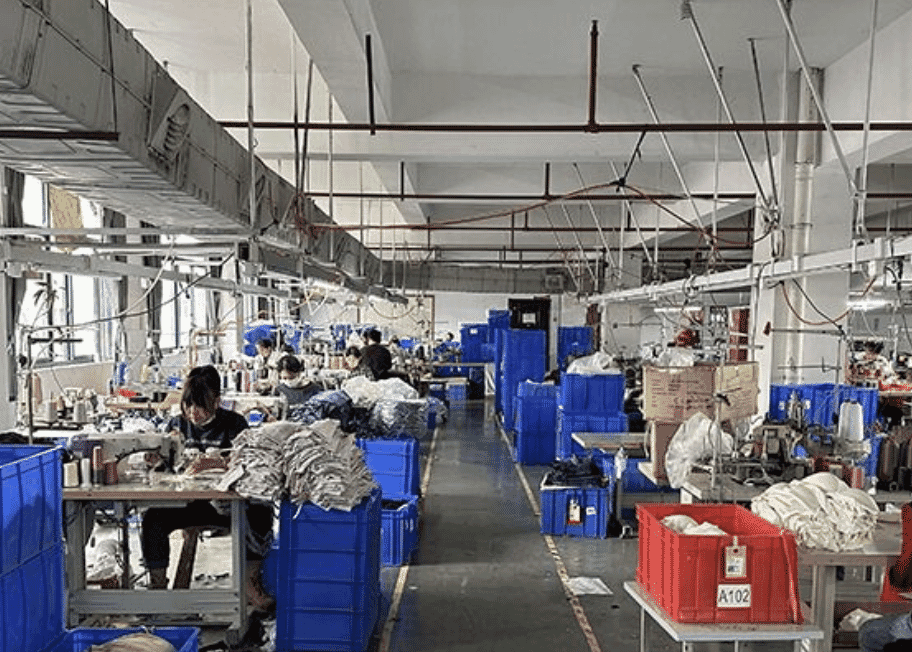
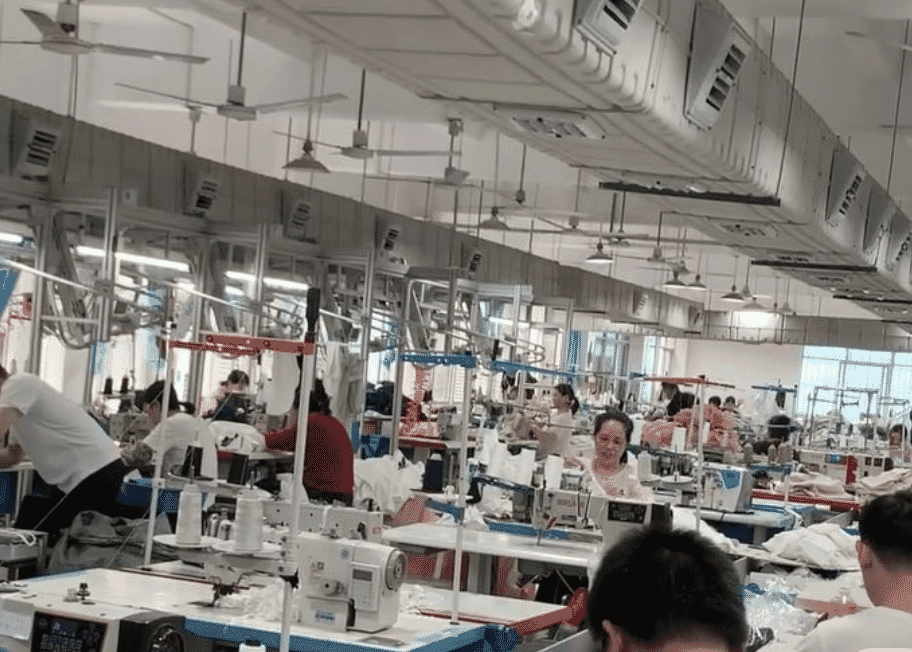
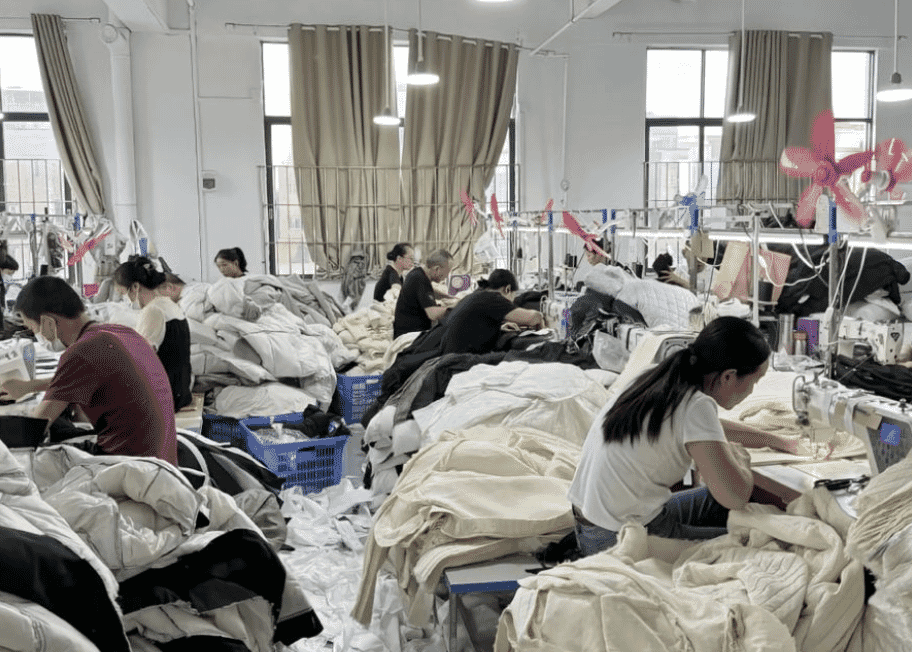
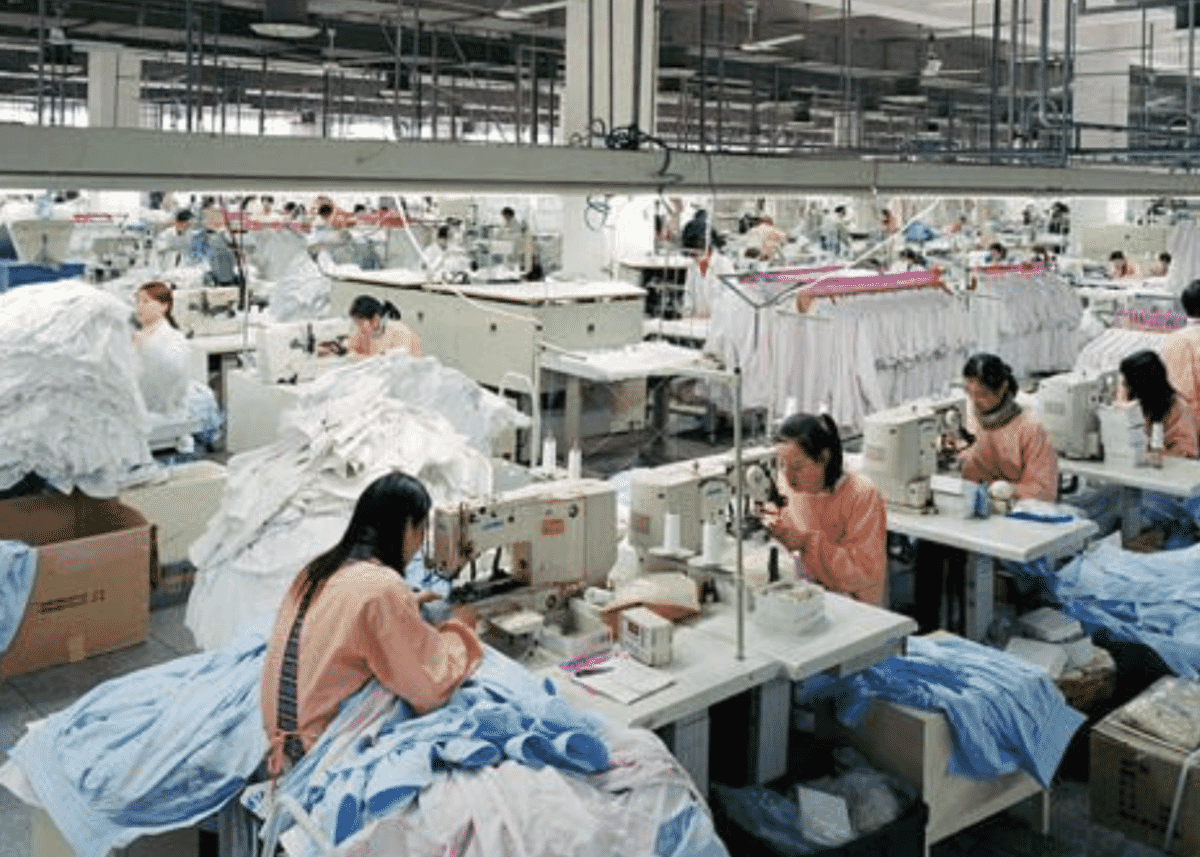
They are also not a garment. Towel production is terry weaving, a different industry from cut-and-sew with different machinery, different mills and different geography inside China. A clothing factory does not make towels, and asking one to will get you a trading company.
This guide covers GSM and what it really tells you, the cotton grades, terry construction, why softeners are a trap, the certifications that matter, and how to specify and check a towel order.
Note: China Clothing Manufacturer is a group of documented clothing factories in China, producing for brands from 100 units. Ranges in this guide come from published industry sources and are given as market ranges, not as quotes from a specific factory. We confirm exact MOQ and price with the factory when you send a brief.
Key takeaways
- GSM is the headline number and it describes density, not quality.
- Cotton staple length matters more than GSM for softness and durability.
- Terry can be looped both sides, sheared one side, or zero-twist, and each behaves differently.
- Excess softener makes a towel feel good in store and absorb badly at home.
- Towels are woven, not cut and sewn, so the supplier base is a separate industry.
- OEKO-TEX matters here more than in most categories, because towels sit against wet skin.
- Decoration options differ from apparel: dobby borders, jacquard and embroidery, not screen print.
What Does GSM Actually Tell You?
GSM is grams per square metre, and it measures how much cotton sits in a given area. It correlates with thickness, weight and absorbency, and it is the first number every supplier quotes. It is also the least useful number on its own, because staple length, twist and finishing change the towel more than weight does.
What it does not tell you is how good the cotton is. A 600 GSM towel made from short-staple cotton will shed lint, go rough after ten washes and feel heavy rather than plush. A 500 GSM towel in long-staple cotton will outperform it on every measure that matters and cost more.
The practical bands: light towels around 300 to 400 GSM dry fast and suit gyms and pools. Mid-weight around 450 to 550 is the everyday bath towel range. Heavy above 600 is the hotel and luxury band, plush and slow to dry.
Heavier is not better. A 700 GSM towel in a humid bathroom without good ventilation stays damp, and a damp towel develops odour. Match the weight to how the towel will actually be used and dried, which is a conversation about the customer rather than about the product.
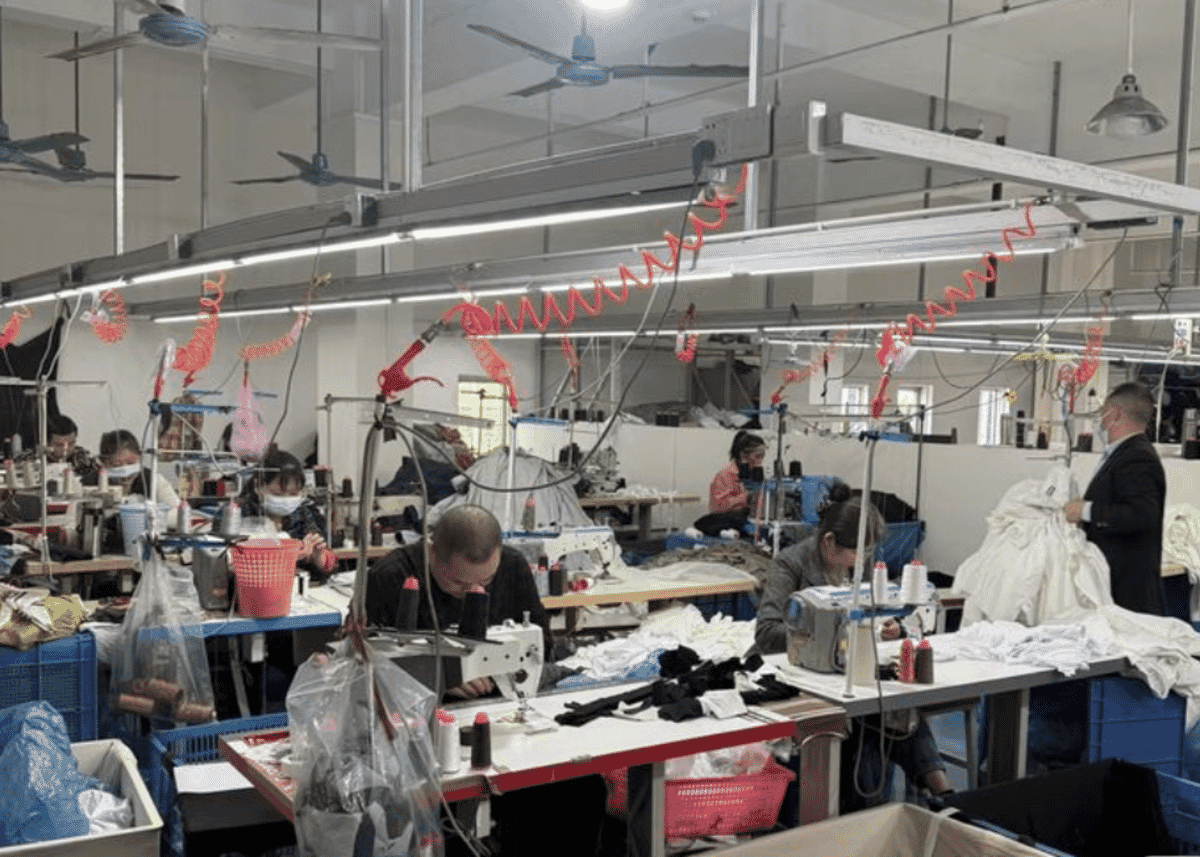
Citation Capsule: GSM measures grams of cotton per square metre and correlates with thickness and absorbency, but it says nothing about fibre quality. A 500 GSM towel in long-staple cotton outperforms a 600 GSM towel in short-staple cotton on softness, lint and durability, which is why staple length belongs on the specification alongside weight.
Specifying towels and unsure what to ask for? Send the use case and we will tell you the GSM, cotton and construction that fit. No cost. Send it here.
Which Cotton, and Why Does Staple Length Matter?
Staple length is the length of the individual cotton fibre, and it governs almost everything a customer notices over the life of a towel. Upland cotton has shorter fibres, sheds more lint and weakens sooner. Extra-long staple produces a smoother, stronger yarn that lints less. Neither is visible in a GSM figure.
Long fibres spin into smoother, stronger yarn with fewer loose ends. Fewer loose ends means less lint, a smoother surface, and a towel that keeps its feel through repeated washing. Short fibres make yarn with many exposed ends, which is why cheap towels shed on the first wash and go scratchy by the twentieth.
Upland cotton is the standard short-to-medium staple used in most volume production. Perfectly serviceable, and what most towels are.
Extra-long staple cotton covers the premium tier, including varieties marketed under regional names. It is smoother, more durable and significantly more expensive, and the name on the label is frequently not verifiable.
The honest position on naming: unless the supplier can show documentation tracing the fibre, treat a regional cotton name as a marketing claim rather than a specification. What you can verify is the yarn count and the behaviour of a physical sample after washing, and those are the tests worth running.
Skip the search: the China factory directory ($49) lists documented factories by category, city and capability, with the verification status of each. One-time payment, instant download.
Citation Capsule: Staple length is the length of the individual cotton fibre, and it governs almost everything about a towel. Upland cotton has shorter fibres and produces more lint; extra-long staple cotton produces a stronger, smoother yarn that sheds less and lasts longer. Lint everywhere is a staple-length problem, not a finishing one.
What Is Terry, and What Are the Variations?
Terry is the loop structure that makes a towel absorbent. Extra yarn is fed during weaving to create loops standing off the base cloth, and surface area is what absorbs water. Double-loop, sheared velour, zero-twist and waffle each trade absorbency against hand and drying time. Velour looks plush and absorbs less, because shearing cuts the loops open.
Double-loop terry has loops on both faces. Standard bath towel construction, absorbent on both sides.
Sheared or velour terry has the loops cut on one face, creating a smooth velvet surface. It looks luxurious and prints well, and the sheared side absorbs noticeably less than the looped side. Common in hotel and gift towels for exactly that visual reason.
Zero-twist terry uses yarn spun with minimal twist, which leaves the fibres open and maximises both softness and absorbency. It is the premium construction, and it is less durable because low-twist yarn is inherently weaker.
Waffle and honeycomb are not terry at all. Flat-woven textured structures, thin, fast-drying, popular in spa and minimalist ranges. Less absorbent per square metre and much quicker to dry.
| Construction | How it is made | Absorbency | Where it suits |
|---|---|---|---|
| Double-loop terry | Loops left uncut on both faces | Highest, and equal on both sides | Standard bath towels, where the job is drying a person |
| Sheared or velour terry | Loops cut on one face to create a smooth velvet surface | Noticeably lower on the sheared side | Hotel and gift towels, and anything that has to carry a print |
| Zero-twist | Low-twist yarn, which leaves the fibre open | High, and soft with it | Premium retail, where softness sells and the towel is replaced sooner |
| Waffle or honeycomb | A dimpled weave rather than a looped pile | Lower, but it dries fast | Spa, gym and travel, where drying speed beats capacity |
No construction wins on everything. Zero-twist buys softness and absorbency with weak yarn and pays for it in durability; waffle trades absorbency for drying speed. Pick the trade-off your customer will actually notice.
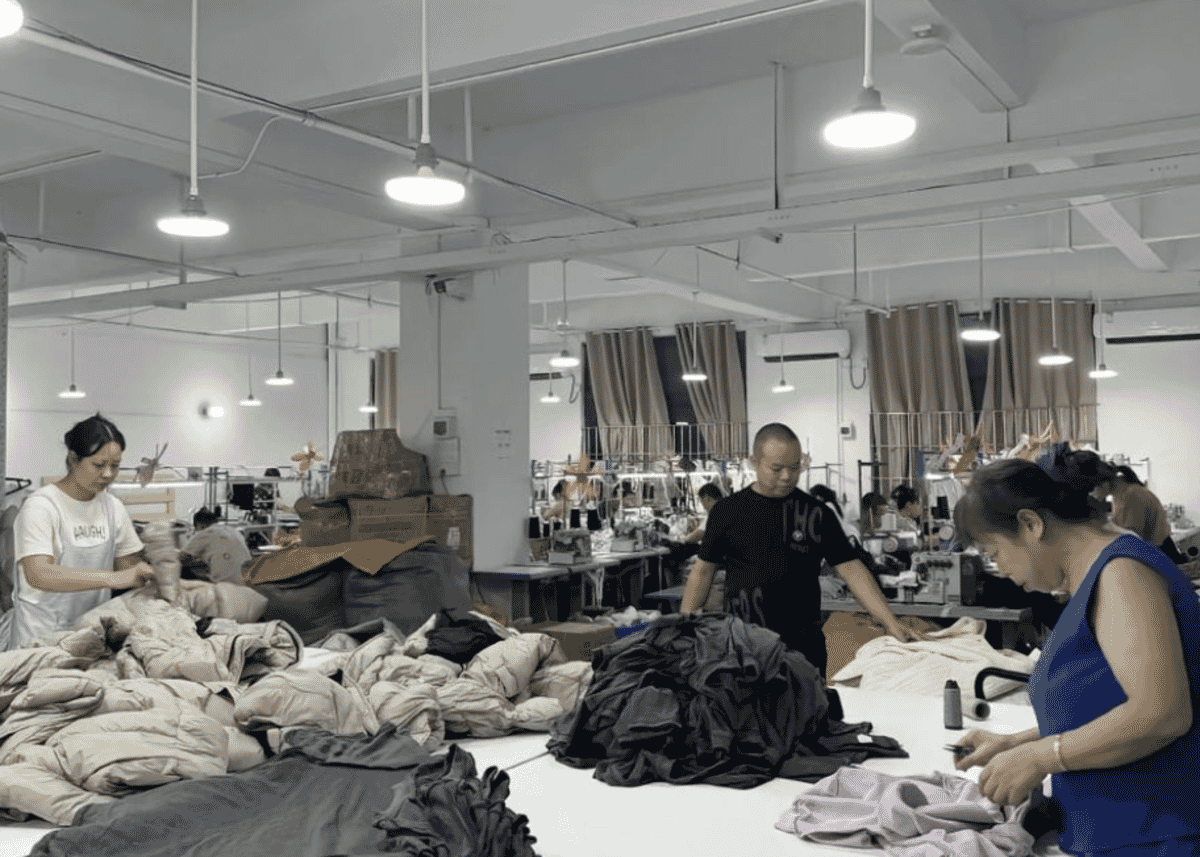
Citation Capsule: Terry is the loop structure that makes a towel absorbent, formed by feeding extra yarn during weaving. Double-loop terry, sheared or velour terry, zero-twist terry, and waffle or honeycomb each trade absorbency against hand and drying time. Velour looks plush and absorbs less, because shearing cuts the loops.
Why Do Soft Towels Absorb Badly?
Because the softness is often a coating, and the coating is hydrophobic. Heavy softener makes a sample feel excellent in the hand and repel water in use. It also washes out, so the towel a customer owns after three washes is not the towel they bought. Wash any sample before approving it.
Fabric softeners work by depositing a thin waxy or silicone layer on the fibre. That layer is what makes the towel feel plush in the shop. It also sits between water and cotton, which is precisely what a towel is supposed to avoid. A heavily softened towel beads water for the first several washes until the finish strips off.
This creates a commercial trap. Suppliers know buyers judge towels by hand-feel at the sampling stage, so the incentive is to over-soften the sample. The towel that wins the touch test loses the use test, and the complaints arrive weeks after the reorder.
Two defences. Wash the sample before judging it, ideally two or three times, and assess both feel and absorbency after. And ask for an absorbency test result, which measures how long a droplet takes to be taken up by the fabric. A supplier who cannot produce one is telling you something.
Genuine softness without the trap comes from long-staple cotton and zero-twist construction, both of which cost money. Softener is the cheap imitation of both.
Citation Capsule: Fabric softener deposits a hydrophobic layer on cotton fibre, improving hand-feel while reducing absorbency until the finish washes off. Because buyers judge towel samples by touch, suppliers have an incentive to over-soften samples. Washing a sample two or three times before assessment separates genuine softness from applied finish.
How Are Towels Decorated?
Differently from apparel, because a looped surface does not take screen print well. Five methods exist: a dobby border woven in, jacquard woven into the cloth, embroidery on a flat border, printing onto a sheared panel, and a woven or applied label. Most are decided at the weaving stage, not afterwards.
Dobby border. A flat woven band at each end, often carrying a subtle pattern. Woven in rather than applied, which is why it is the most durable option.
Jacquard. The pattern is woven into the terry itself, using loop height and direction to create the design. Permanent, premium, and it requires a minimum quantity because the loom must be set up for it.
Embroidery. Applied after weaving. Flexible, low minimum, and the standard for logos on hotel and corporate towels. It stiffens the area it covers.
Printed. Works on sheared velour, poorly on looped terry, because the loops break up the image. Beach towels are usually printed on a sheared face for exactly this reason.
Woven or applied label. The cheapest branding, and the option that survives the most washes when specified properly.
Try it free: pressure-test your landed cost with the China production cost calculator. 60 seconds, no email required.
Citation Capsule: Towels decorate differently from apparel, because a looped surface does not take screen print cleanly. Dobby borders and jacquard are woven in, embroidery is applied to a flat border, and printing needs a sheared surface. The decoration method has to be decided at the weaving stage rather than afterwards.
Which Certifications Matter for Towels?
More than for most categories, because towels contact wet skin over the whole body, including children's. OEKO-TEX Standard 100 covers chemical safety on the finished article, GOTS covers organic content and processing, and amfori BSCI covers the factory's social audit. They answer three different questions and none substitutes for another.
OEKO-TEX Standard 100 tests for harmful substances in the finished article and is the baseline expectation for towels sold in Europe and increasingly elsewhere. Certificate numbers are verifiable through the OEKO-TEX label check, and a supplier claiming certification without a number is claiming nothing.
GOTS applies if you are selling organic cotton towels, and the GOTS public database lists certified operations. Organic claims without a certificate are a regulatory exposure in several markets.
amfori BSCI covers social compliance at the production site rather than the product, and amfori documents the framework publicly.
The rule that catches people out: a certificate belongs to a specific facility for a specific scope and period. A trading company showing a mill's certificate is showing you a document that does not cover the goods you are buying.
Where Are Towels Made in China?
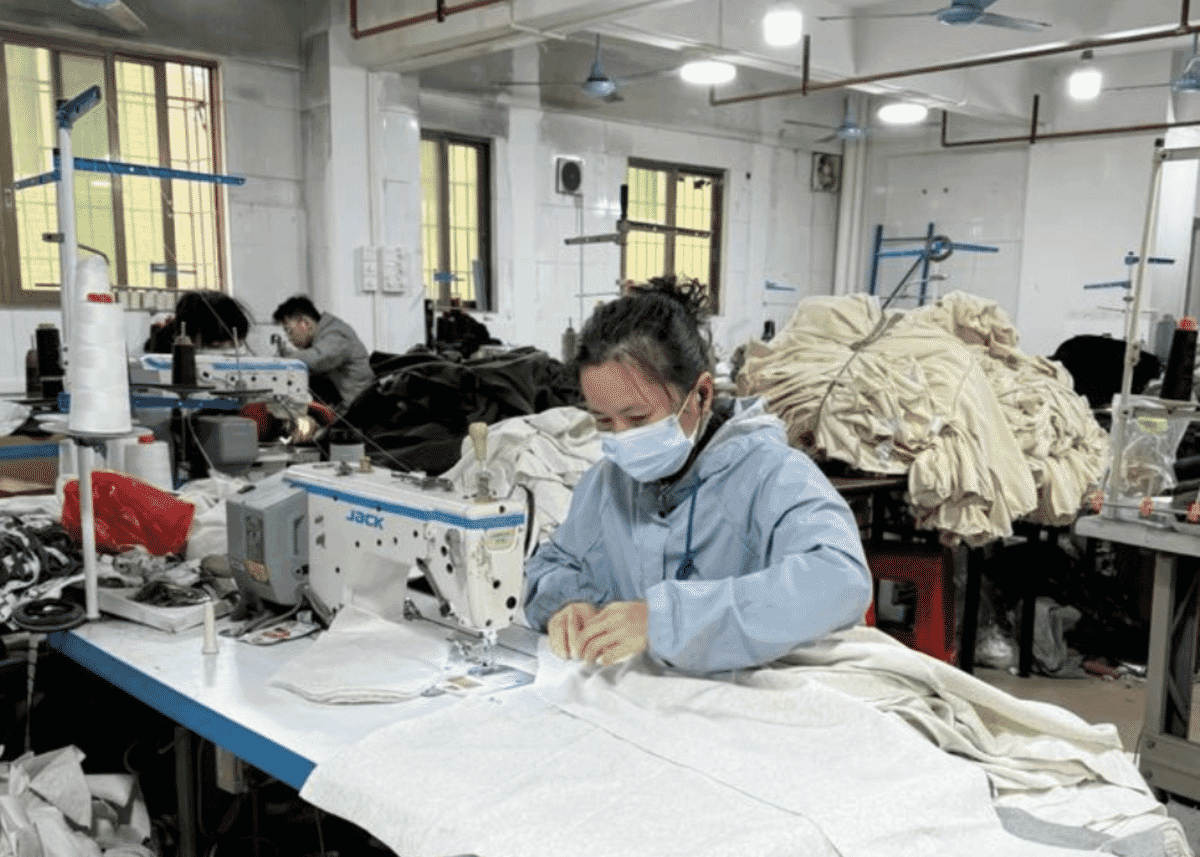
Towel weaving is geographically distinct from apparel, and this is the point most sourcing guides miss entirely. Terry weaving needs dedicated looms and dyeing capacity rather than cutting and sewing lines, so a garment factory cannot make towels and a towel mill cannot make garments. The supplier search is a different search.
The industry concentrates around northern and eastern coastal textile regions rather than the Guangdong garment cluster. Terry weaving needs specialised looms, its own dyeing and finishing capacity, and proximity to cotton spinning, so the mills cluster where that infrastructure sits.
Zhejiang carries substantial weight in the broader textile economy, generating 1.12 trillion yuan of textile and garment revenue in 2025 (China Daily Ningbo, 2026), and home textiles form part of that base.
The consequence for buyers is practical. If your clothing factory offers to supply towels, they are almost certainly buying from a mill and adding a margin. That is not automatically wrong, and it may be worth paying for coordination, but you should know which you are buying and price it accordingly.
Who Exports the Most Towels, and Where Do China's Go?
China is the largest exporter of cotton terry towels, but it is not the cheapest, and it does not dominate the category the way it dominates many garment lines. In 2024 China exported $1.92 billion of toilet and kitchen linen of terry fabric (HS 6302.60, the code that covers bath and hand towels), against $1.15 billion from India and $1.08 billion from Pakistan, according to UN Comtrade data published by the World Bank's WITS database.
The weight figures in the same table are more revealing than the values. China shipped about 238.5 million kilos, which works out at roughly $8.05 per kilo. India's exports average about $5.72 per kilo and Pakistan's about $4.75. Turkey, a smaller exporter at $568 million, averages about $9.18. Those are averages across every weight, cotton grade and finish, so they say nothing about any single order, but they do say where China sits: in the middle of the market on price, not at the bottom.
The practical reading for a buyer is that a towel brief sent to China competes on consistency, finishing, speed and the ability to combine towels with other textile lines, rather than on the lowest possible price per kilo. If your only criterion is the cheapest heavy cotton towel, the trade data suggests China will rarely win that comparison on its own. If your brief needs reliable dye lots, specific constructions, embroidery and retail packaging from one supplier, the picture changes.
Where China's towels go is just as clear. The WITS partner breakdown shows the United States took $417.0 million in 2024, about 21.7% of the total, followed by Japan at $288.9 million. Japan is worth noticing: its imports from China average around $10.04 per kilo against about $7.34 for the United States, which reflects lighter, finer towels and a market that pays for finish. Thailand, Malaysia and Australia complete the top five, and together these five destinations took 53.4% of the value.
What duty does a cotton towel pay in the US?
Cotton terry towels enter the United States under HTS heading 6302.60.00, "toilet linen and kitchen linen, of terry toweling or similar terry fabrics, of cotton". The general (normal trade relations) duty rate on that line is 9.1% of customs value, according to the USITC Harmonized Tariff Schedule (checked 3 November 2026). Goods of Chinese origin can carry additional duties on top of the general rate, and those have changed several times, so confirm the current position for your exact classification with US Customs and Border Protection and the USTR Section 301 tariff actions before you price an order. Our guide to importing from China walks through classification, duties and landed cost step by step.
Two classification details catch towel buyers. Beach towels and bath sheets in cotton terry sit in the same heading as bath towels, but towels made from synthetic fibre, and flat-woven waffle towels that are not terry, fall under different subheadings with different rates. Describe the fibre and the construction precisely on the commercial invoice, because the construction you chose for performance reasons also decides the duty line.
Where the Money Goes
| Element | Effect on cost | What to decide |
|---|---|---|
| GSM | Direct, since it is cotton weight | Match to actual use, not to a number |
| Staple length | Large, and invisible on the spec | The lever that buys real quality |
| Construction | Zero-twist and jacquard cost most | Trade softness against durability |
| Dye | Own minimum per colour | Stock shades collapse the MOQ |
| Decoration | Jacquard has a loom minimum | Embroidery for low quantities |
| Packaging | Small, and it sells the product | Band, box or polybag |
Where Towel Orders Fail
The sample was over-softened. Bulk feels different because it was finished normally, or bulk feels identical and absorbs nothing at all. Five failures cover most of it, and the first is the one that catches brands who approved on touch rather than on performance. Wash the sample before you approve it.
Lint everywhere. Short-staple cotton, and it will not stop after a few washes. This is a fibre decision, not a finishing fault.
The colour shifted. Towels are bulky and dye in large lots, so a split order across lots produces visible shade variation in a folded stack on a shelf.
Shrinkage beyond spec. Terry shrinks more than flat cloth because the loops contract. Ask for the shrinkage figure and specify the finished size after washing, not before.
The edges fray or the hem rolls. A construction and stitching issue at the selvedge and hem, and the cheapest place for a mill to save money.
How Do You Check a Towel Supplier?
- Wash the sample two or three times before judging feel, absorbency or lint.
- Ask for GSM and yarn count together, since GSM alone tells you half the story.
- Request an absorbency test result, and read the shrinkage figure.
- Verify OEKO-TEX by certificate number, not by logo.
- Establish whether you are talking to the mill or to a trading company, and price accordingly.
- Ask that one SKU ships from one dye lot, because shade variation shows in a folded stack.
Before you order towels
- Set GSM from the actual use case, not from the assumption that heavier is better.
- Ask for staple length and yarn count alongside GSM.
- Choose the construction deliberately: double-loop, sheared, zero-twist or waffle.
- Wash the sample two or three times before you judge it.
- Request an absorbency test result and the shrinkage percentage.
- Verify OEKO-TEX by certificate number through the public label check.
- Specify finished size after washing, and one dye lot per SKU.
The towel that wins the touch test in a showroom is frequently the one that fails in a bathroom. Wash it first.
How we check a towel supplier
- Samples washed two to three times before any assessment of feel, lint or absorbency.
- GSM, staple length and yarn count all requested, because GSM alone is half a specification.
- Absorbency and shrinkage test results requested in writing before bulk.
- OEKO-TEX verified by certificate number against the public label check, never by logo.
- Mill or trading company established explicitly, and quoted accordingly.
- Single dye lot per SKU requested at order stage, since shade variation shows on a shelf.
We would rather lose a week washing samples than ship a container of towels that bead water.
Conclusion
Towels are the category where the headline number is the least useful number. GSM is easy to quote and easy to compare, which is exactly why it dominates conversations that should be about staple length, yarn count and construction. None of those three appears in the figure most brands negotiate over, and all three outlast it.
The softness trap is the specific thing to guard against. A towel finished heavily with softener will beat a better towel in any showroom touch test, and lose to it in every bathroom. Washing samples before judging them is the single practice that separates buyers who get what they expected from buyers who do not.
Certification carries more weight here than in most categories, because the product contacts wet skin across the whole body. Verify by certificate number through the public databases, and remember that a certificate covers a specific facility and scope rather than a supply chain.
And know who you are buying from. Towel weaving is a separate industry from garment manufacture, in different places, with different equipment. A clothing factory can supply towels, but it is buying them, and that is a fact worth pricing rather than discovering.
We are a group of documented clothing factories in China, producing for brands from 100 units. Send the use case and we come back with the GSM, cotton, construction and the real minimum, normally within 24 hours. You work directly with the factory. Flat fees, no factory commissions.
Get in contact Download the directory ($49)Need a tech pack? Get a factory-ready single-style tech pack for $79. See what's included.
Frequently Asked Questions
Is a higher GSM towel always better?
No. GSM measures cotton weight per square metre and says nothing about fibre quality. A 500 GSM towel in long-staple cotton outperforms a 600 GSM towel in short-staple cotton. Very heavy towels also dry slowly, which causes odour in bathrooms with poor ventilation.
Why does my soft towel not absorb water?
Fabric softener deposits a hydrophobic layer on the fibre that improves hand-feel and blocks absorption until it washes off. Suppliers over-soften samples because buyers judge by touch. Wash a sample two or three times before assessing it, and ask for an absorbency test result.
What is zero-twist terry?
Yarn spun with minimal twist, leaving fibres open so the towel is both softer and more absorbent than standard terry. The trade-off is durability, because low-twist yarn is inherently weaker. It is a premium construction and it will not last as long as double-loop terry.
Can my clothing factory supply towels?
They can quote, but they are buying from a mill and adding margin. Towel weaving uses specialised terry looms and sits in different regions from the Guangdong garment cluster. That arrangement may be worth paying for, but you should know which you are buying.
Which certification should I ask for on towels?
OEKO-TEX Standard 100 is the baseline, because towels contact wet skin across the whole body. Verify the certificate number through the public label check rather than accepting a logo. GOTS is required for organic claims, and a certificate covers a specific facility and scope.
What duty do cotton towels pay when imported into the US?
Cotton terry towels fall under HTS 6302.60.00, which carries a general duty rate of 9.1% of customs value. Goods made in China can carry additional duties on top of that rate, and those change, so confirm the current figure for your exact classification with US Customs before pricing an order.
Editorial note: all company names, certification marks and trademarks referenced here are the property of their respective owners. MOQ, cost and lead-time figures are market ranges compiled from the published sources listed below, not quotes from any individual factory, and they vary by product, fabric and season. Tariff figures were correct at the date of publication and the 2026 position is still moving. Always verify your own HTS classification and confirm terms directly with the factory before committing.
Sources
- World Bank WITS, UN Comtrade data (2024): exporters of HS 630260, terry toilet and kitchen linen, by value and weight.
- World Bank WITS, China exports of HS 630260 by partner (2024): destination values and weights.
- USITC Harmonized Tariff Schedule: heading 6302.60.00 general duty rate.
- China Daily Ningbo (2026): Zhejiang textile and garment revenue figures.
- Sheng Lu, FASH455, University of Delaware (2025): WTO-based analysis of global textile and apparel trade.
- China National Garment Association, Industry Overview: provincial concentration of garment output and the national cluster map.
- OEKO-TEX Label Check: public verification of certificate numbers.
- amfori BSCI: social audit system documentation.
- Office of the United States Trade Representative: Section 301 tariff actions and exclusion process.
- US Customs and Border Protection: trade remedies and duty administration.
- China Import and Export Fair (Canton Fair): official fair information and phase structure.
Related Reading
- Clothing Suppliers in China: How to Find and Vet a Factory
- Textile Factories in China
- Fabric Suppliers in China
- Importing Clothing from China
No commissions. No markups. The factory bills you directly.