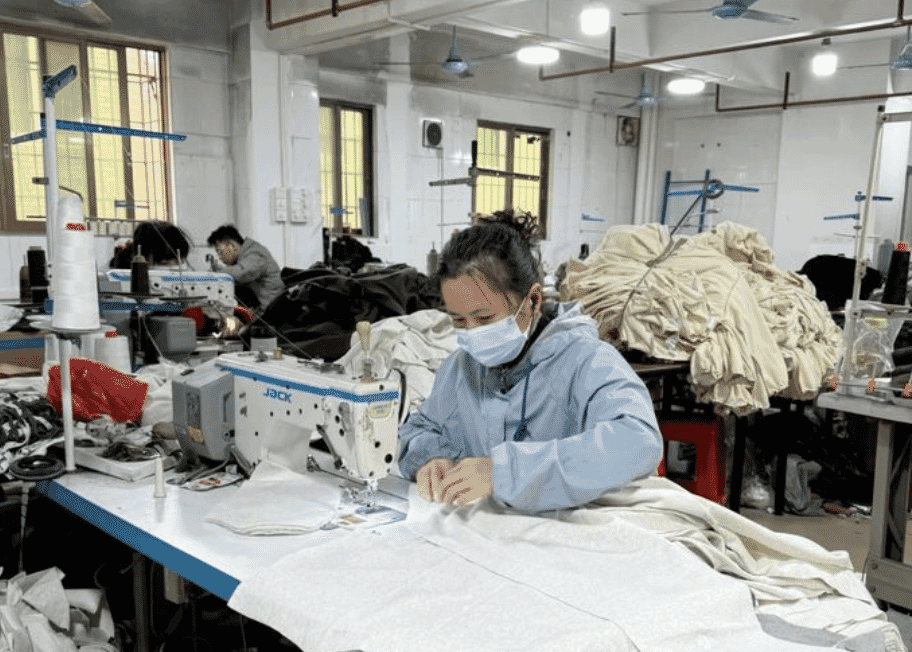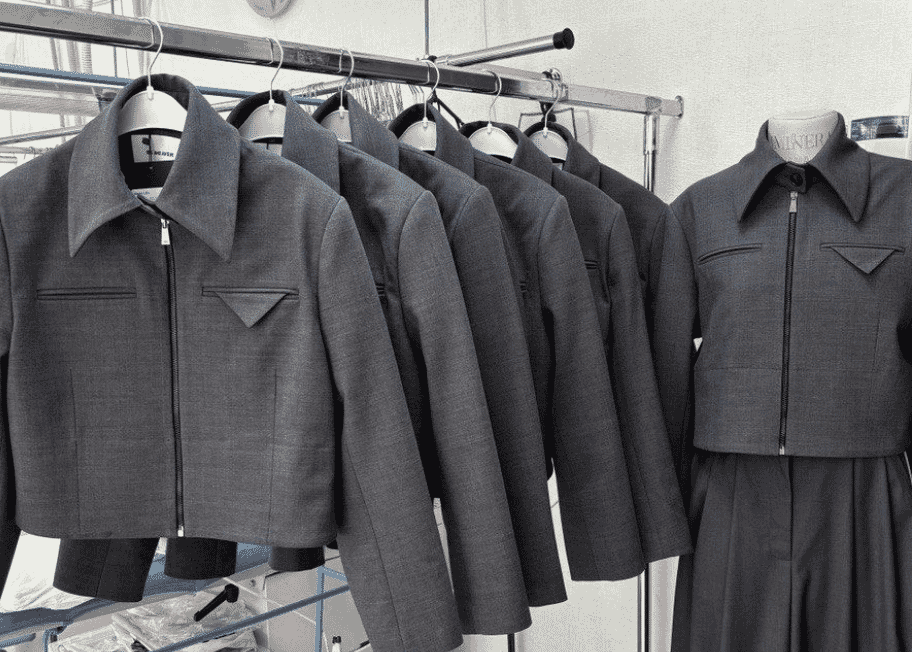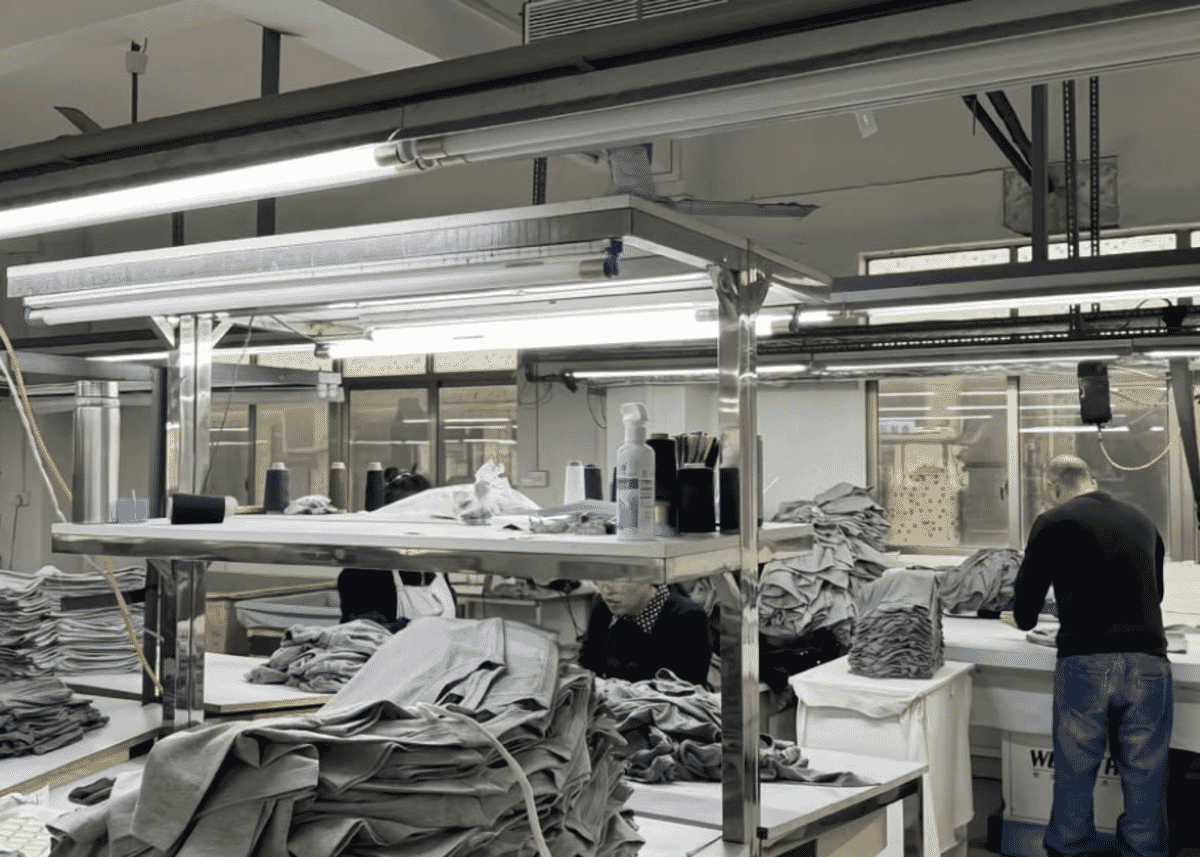
Buying fabric in China is a different job from finding a factory, and most brands discover that late. The garment factory quotes you a price that contains fabric it has not bought yet, at a minimum set by a mill you have never spoken to.
Global fibre production reached a record 132 million tonnes in 2024, up from 125 million the year before, and polyester alone is 59% of it (Textile Exchange Materials Market Report 2025). China supplies a rising share: 43.3% of world textile exports in 2024.
This guide covers the three ways to buy, why the dye lot rather than your order size sets the minimum, what to specify before asking for a price, and how to avoid the shade-variance problem that ruins repeat orders.
Note: China Clothing Manufacturer is a group of documented clothing factories in China, producing for brands from 100 units. Ranges in this guide come from published industry sources and are given as market ranges, not as quotes from a specific factory. We confirm exact MOQ and price with the factory when you send a brief.
Key takeaways
- Three buying routes: market, mill direct, or through your garment factory. Each has a different minimum.
- The dye lot sets your minimum, not your order size. Cutting units does not cut the fabric commitment.
- Stock fabric removes the dye-lot problem entirely, at the cost of choosing from what exists.
- Keqiao in Shaoxing holds thousands of textile enterprises across an extremely large floor area.
- Specify weight, composition, construction, finish and colour standard before asking for any price.
- Consolidating colourways reduces cost more reliably than negotiating.
- Certification attaches to the mill and batch. Ask for certificate numbers, never logos.
What Are the Three Ways to Buy Fabric in China?
They suit different stages, and using the wrong one is the most common cause of a stalled first range. A route that works when you are buying a roll to sample from will not work when you need three colourways in production quantities, and the reverse is equally true.
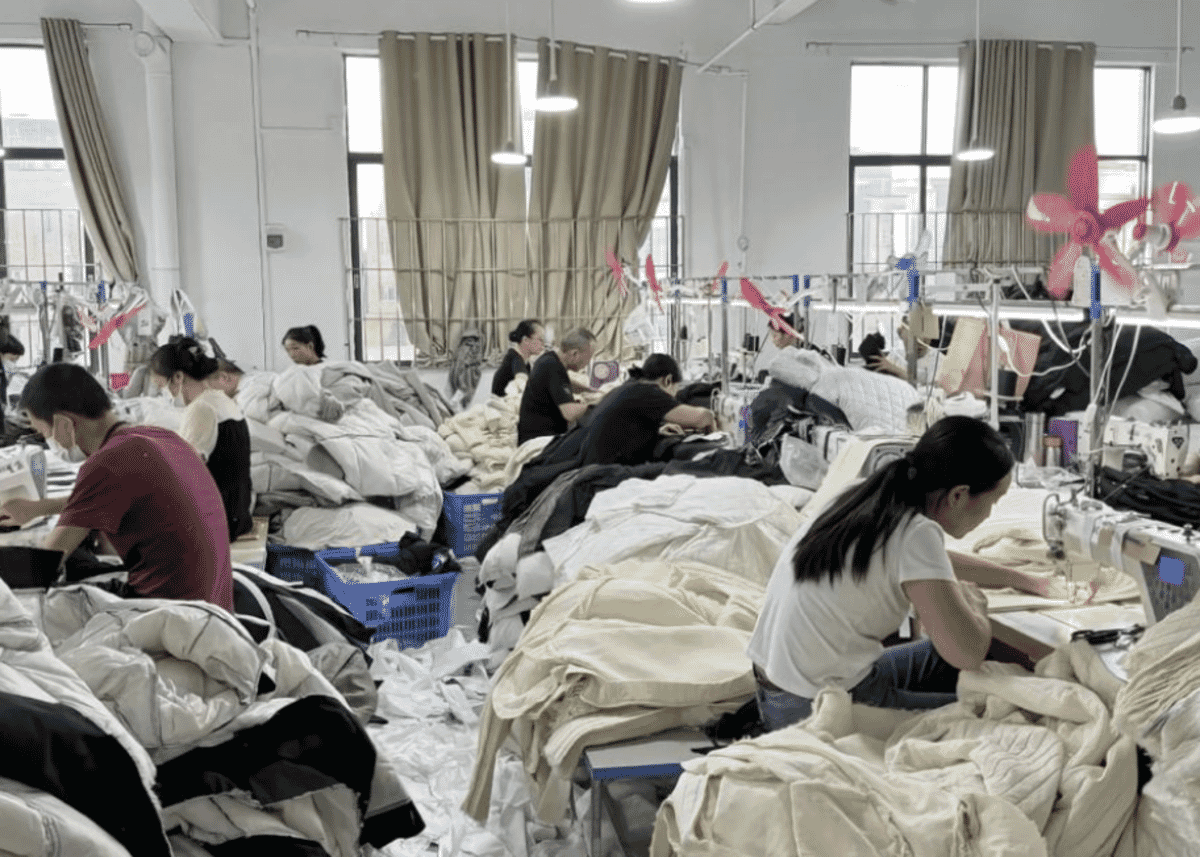
Through your garment factory. The default, and usually correct for a first production run. The factory buys against its existing mill relationships and its own credit terms, absorbs the minimum across its other orders where it can, and carries the risk if the fabric is wrong. You pay for that in the unit price and you rarely see the fabric line separately.
Direct from the mill. You nominate the fabric and buy it yourself, then supply it to the garment factory. You see the real price and control the specification exactly. You also absorb the mill's minimum on your own, carry the fabric in inventory, and own the problem if it fails inspection.
From a market. Keqiao and Guangzhou's Zhongda are the two that matter. Excellent for sampling, because you can see and feel thousands of constructions in a day. Less good for production, because market stock is finite and a repeat order may find the fabric gone.
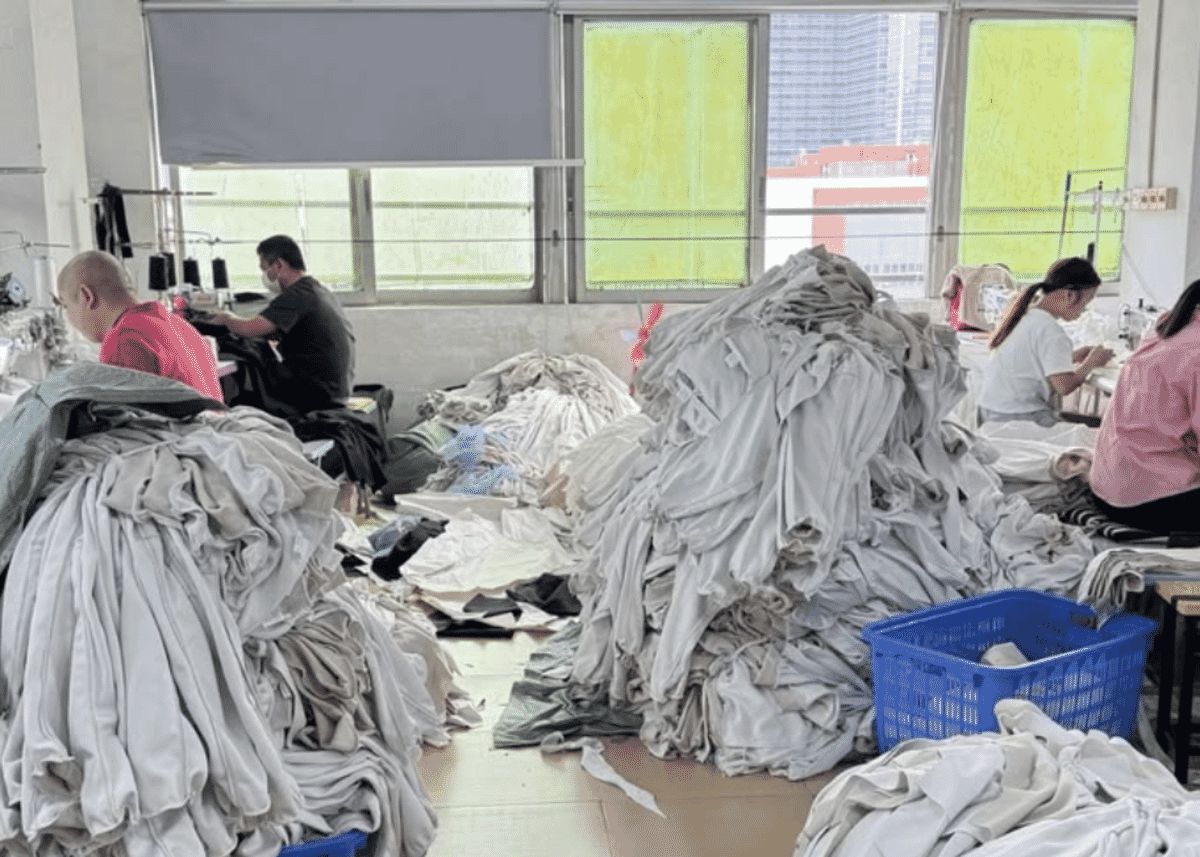
Citation Capsule: Fabric in China is bought through the garment factory, direct from the mill, or from a wholesale market. Buying through the factory transfers the minimum and the quality risk to the factory but hides the fabric price. Buying direct exposes the real price and the full specification but places the mill minimum, the inventory and the failure risk on the brand.
Why Does the Dye Lot Set Your Minimum?
Because dyeing is a batch process. A mill fills a dye vessel, runs it, and empties it. That vessel has a size, and running it half full costs the mill the same as running it full, so the minimum is a physical constraint rather than a commercial position.
The consequence catches brands out constantly: reducing your unit count does not reduce your fabric commitment. Dropping an order from 500 pieces to 200 does not change the dye lot. It changes how much fabric you pay for and never use.
Two things genuinely reduce the commitment. Stock fabric the mill already holds removes the dye lot entirely. Consolidating colourways cuts the number of minimums you are buying against. Negotiating the minimum down rarely works, because the vessel does not care.
Skip the search: the China factory directory ($39) lists documented factories by category, city and capability, with the verification status of each. One-time payment, instant download.
What Should You Specify Before Asking for a Price?
A fabric quote without these is not a quote for your fabric. Five fields, and the last one is the one brands forget. Together they turn a request for a fabric into a request a mill can actually price, which is why quotes against a complete specification arrive narrow and quotes against a vague one arrive meaninglessly wide.
| Field | What to give | Why it changes the price |
|---|---|---|
| Composition | Fibre percentages, e.g. 88% polyester 12% elastane | Elastane is expensive and changes the knitting |
| Weight | Grams per square metre | You are buying material by mass |
| Construction | Jersey, interlock, ponte, twill, poplin | Different machines, different rates |
| Finish | Moisture management, brushed, water repellent, UPF | Applied at the mill, priced per metre |
| Colour standard | A Pantone reference or a physical swatch | Decides the lab dip process and the tolerance |
Ranges come from published industry sources. We confirm exact MOQ and price with the factory when you send a brief.
Ask for lab dips, and approve them properly
A lab dip is a small sample dyed to your colour standard for approval before bulk. Approving one on a phone screen is how brands end up with a bulk delivery they did not expect. Approve against the physical swatch, in consistent light, and keep the approved dip.
How Do You Avoid the Shade Variance Problem?
Shade variance between lots is the most common fabric complaint in repeat production, and it is almost entirely preventable. Two lots of the same colour never match exactly, so the question is not whether they differ but whether anybody decided in advance how much difference is acceptable.
Hold a physical standard. Keep the approved lab dip and the approved bulk swatch. Without a physical reference, "the same colour as last time" is an opinion.
Ask how the mill measures. A mill that measures colour instrumentally against a standard can repeat it. A mill that eyeballs it cannot, whatever it says.
Buy the whole programme in one lot where you can. If you know you need the colour twice, buying it once removes the problem rather than managing it.
Set a tolerance in writing. Agree what counts as acceptable before the bulk runs, not after it arrives.
Citation Capsule: Shade variance between dye lots is preventable through four steps: retaining the approved lab dip and bulk swatch as a physical standard, confirming that the mill measures colour instrumentally rather than visually, purchasing an entire colour programme in a single lot where volumes allow, and agreeing a written tolerance before bulk production begins.
Where Do You Actually Go?
Keqiao, Shaoxing, in Zhejiang, is the largest concentration. China Textile City is among the largest textile trading complexes in the world, with thousands of textile enterprises and trading companies operating in a single location. Zhejiang accounts for 32.4% of China's textile exports (China Daily Ningbo, 2026).
Zhongda Fabric Market, Guangzhou, is smaller but sits next to the garment factories, which matters when you are sampling. Its very large floor area covers most constructions.
The practical pattern for most brands: source the sample at Zhongda with the factory's fabric person present, and let the factory place the production order against the mill's minimum. You get the hand feel you chose and the factory carries the buying risk.
How Is Fabric Actually Priced?
Two units are in common use and they are not interchangeable, which is how brands end up comparing quotes that are not comparable. Converting everything to one unit before you look at any number is a minute of arithmetic that prevents a decision made on the wrong basis.
Per kilogram is standard for knits. You are buying mass, so a heavier fabric costs more per metre even at the same price per kilo. To compare against a per-metre quote you need the weight and the usable width.
Per metre is standard for wovens and is what most brands instinctively ask for. It hides the width: 150cm and 110cm goods at the same price per metre are very different value, because the narrower cloth yields fewer garments.
The number that actually matters is yield
Yield is how many metres of fabric one garment consumes, and it is set by your pattern, the fabric width and the marker efficiency. A cheaper fabric with a poor yield can cost more per garment than an expensive one that cuts well. Ask the factory for the yield alongside the fabric price, and compare on cost per garment rather than cost per metre.
Two other lines belong in the comparison. Shrinkage allowance, because fabric that shrinks more needs more of it. And fabric wastage from defects, since mills sell by grade and a lower grade means more unusable metres.
What Should You Test Before Bulk?
Testing is cheap relative to a rejected shipment, and four tests catch most of what goes wrong. Agree them before bulk runs rather than arguing about results afterwards, because a test specified in advance is a condition and a test requested after delivery is a complaint. The difference decides who carries the cost of a failure.
| Test | What it catches | When it matters most |
|---|---|---|
| Composition | Fibre content that differs from the label | Always, and it is a legal exposure |
| Shrinkage | Garments that change size on first wash | Cotton and cotton blends |
| Colour fastness | Colour transferring in wash or fading in light | Deep shades, denim, anything worn against skin |
| Pilling | Surface breakdown after wear | Knitwear, fleece, brushed fabrics |
Structural guidance. Test methods and pass criteria vary by market; confirm requirements for where you sell.
The two that catch brands hardest are shrinkage and fastness, because both pass inspection at the factory and fail in the customer's washing machine, which is the most expensive place to find out.
Citation Capsule: Fabric is quoted per kilogram for knits and per metre for wovens, and the two are not directly comparable without knowing weight and usable width. The decisive figure is yield, the metres consumed per garment, which is determined by pattern, fabric width and marker efficiency. A cheaper fabric with poor yield can cost more per finished garment than a more expensive one that cuts efficiently.
How Do You Verify a Fabric Claim?
Same rule as everywhere in this supply chain. Certification attaches to a specific mill, a specific process and a specific batch, never to a company in general. That is why a certificate held by a trading company, or one covering a mill you are not buying from, verifies nothing about the cloth arriving at your factory.
- OEKO-TEX publishes a label check. Enter the certificate number; it exists or it does not.
- bluesign certifies chemical inputs and the mill's process, upstream of your garment factory.
- Global Recycled Standard needs transaction certificates covering your order, not a company logo.
- Composition is testable. If the fibre percentage matters commercially or legally, test it rather than trusting the label.
Not sure what to specify? Send a reference fabric or a garment and we will come back with the composition, weight and construction to ask for. Send it here.
What Goes Wrong Most Often, and How Do You Prevent It?
Five failures account for most fabric disputes, and four of the five are preventable at the specification stage rather than the inspection stage, which is the useful pattern here. By the time fabric is on a cutting table, the decisions that would have prevented the problem were made weeks earlier.
The bulk does not match the sample. Almost always because the sample came from a different lot, or from a hanger the mill keeps for showing. Ask for the bulk to be cut from the same lot as the approved swatch, and get the lot number in writing.
The width changed. Fabric ordered at 150cm and delivered at 145cm is a yield problem, which means a cost problem, which appears as a shortage of garments rather than a shortage of fabric. Specify usable width, not nominal width.
The hand feel is different. Usually a finishing change. Softeners and mechanical finishing are applied after dyeing and vary between runs unless specified. If the hand is part of the product, describe it in the specification and keep an approved swatch.
The fabric is off-grade. Mills sell by grade and lower grades carry more defects per roll, which raises your wastage even when the price per metre looked better. Agree the grade and the acceptable defect rate before the order.
It arrived late. Lab dip approval is the step that slips most, and it sits with you rather than the mill. Approving a dip in two days instead of two weeks moves your delivery by the same amount.
Citation Capsule: Most fabric disputes trace to five preventable causes: bulk cut from a different lot than the approved swatch, delivered width narrower than specified which reduces garment yield, hand feel altered by finishing variation between runs, off-grade cloth raising wastage, and delivery slippage caused by slow lab dip approval on the buyer's side rather than mill delay.
Before you order bulk
- Specify composition, weight, construction, finish and a colour standard.
- Ask for the yield per garment, not just the price per metre or kilo.
- Confirm usable width, not nominal width.
- Approve lab dips against a physical swatch in consistent light, and keep the approved dip.
- Agree the fabric grade and an acceptable defect rate.
- Agree test methods and pass criteria for shrinkage and colour fastness before bulk runs.
Approving the lab dip quickly is the single cheapest thing you can do for your delivery date.
How we check fabric before bulk
- Composition, weight, construction, finish and colour standard confirmed in writing before any price is quoted.
- Yield per garment requested alongside the price, so comparison happens on cost per unit rather than per metre.
- Usable width confirmed, not nominal width.
- Lab dip approved against a physical swatch, and the approved dip retained as the standard.
- Fabric grade and acceptable defect rate agreed before the order, not disputed after delivery.
Most fabric disputes are specification failures rather than supplier failures. These five prevent them.
Conclusion
Fabric is usually the largest line in a garment cost and the one brands specify least carefully. The mill sets your minimum through the dye lot, and no amount of negotiating changes the size of a dye vessel. Everything else in this guide follows from those two facts, and brands that internalise them stop fighting the wrong constraint.
Consolidate colourways before you cut units. Specify composition, weight, construction, finish and a colour standard before asking for a price. Keep the approved lab dip. And check certificate numbers rather than logos, because the certification lives at the mill, not on the garment.
We are a group of documented clothing factories in China, producing for brands from 100 units. Send the reference fabric or garment and we come back with composition, weight, construction and the mill minimum, normally within 24 hours. You work directly with the factory. Flat fees, no factory commissions.
Get in contact Download the directory ($39)Need a tech pack? Get a factory-ready single-style tech pack for $79. See what's included.
Frequently Asked Questions
What is the minimum order for fabric in China?
The dye lot sets it, not your order size. Dyeing is a batch process and the vessel has a fixed size, so running it half full costs the mill the same as running it full. Reducing your unit count does not reduce the fabric commitment; consolidating colourways or using stock fabric does.
Should I buy fabric myself or let the factory buy it?
For a first production run, let the factory buy it. It uses existing mill relationships, can sometimes absorb the minimum across other orders, and carries the risk if the fabric fails inspection. Buying direct gives you the real price and full control, but places the minimum, the inventory and the risk on you.
Where is the best fabric market in China?
China Textile City in Keqiao, Shaoxing, is the largest: one of the largest textile trading complexes in the world, with thousands of textile enterprises and trading companies. Zhongda Fabric Market in Guangzhou is smaller but sits beside the garment factories, which helps during sampling.
How do I stop colour varying between fabric orders?
Keep the approved lab dip and bulk swatch as a physical standard, confirm the mill measures colour instrumentally rather than by eye, buy an entire colour programme in one lot where volumes allow, and agree a written tolerance before bulk runs rather than arguing about it afterwards.
What do I need to specify to get a fabric quote?
Composition as fibre percentages, weight in grams per square metre, construction such as jersey or twill, any finish such as moisture management or water repellency, and a colour standard as a Pantone reference or physical swatch. A quote given without these is not a quote for your fabric.
Editorial note: all company names, certification marks and trademarks referenced here are the property of their respective owners. MOQ, cost and lead-time figures are market ranges compiled from the published sources listed below, not quotes from any individual factory, and they vary by product, fabric and season. Tariff figures were correct at the date of publication and the 2026 position is still moving. Always verify your own HTS classification and confirm terms directly with the factory before committing.
Sources
- Textile Exchange, Materials Market Report 2025: global fibre production and polyester share.
- China Daily Ningbo (2026): Zhejiang textile export figures.
- bluesign: chemical input and mill process certification.
- Textile Exchange, Global Recycled Standard: chain of custody for recycled content claims.
- Sheng Lu, FASH455, University of Delaware (2025): WTO-based analysis of global textile and apparel trade.
- China National Garment Association, Industry Overview: provincial concentration of garment output and the national cluster map.
- OEKO-TEX Label Check: public verification of certificate numbers.
- amfori BSCI: social audit system documentation.
- Office of the United States Trade Representative: Section 301 tariff actions and exclusion process.
- US Customs and Border Protection: trade remedies and duty administration.
- China Import and Export Fair (Canton Fair): official fair information and phase structure.
Related Reading
- Clothing Suppliers in China: How to Find and Vet a Factory
- Activewear Manufacturers in China: Fabrics, MOQs and Machines
No commissions. No markups. The factory bills you directly.