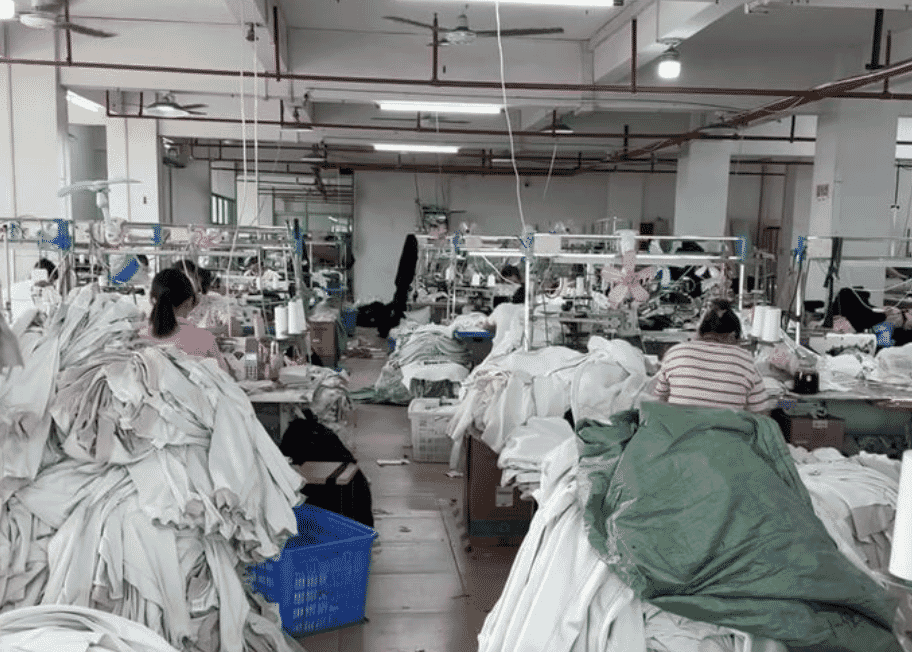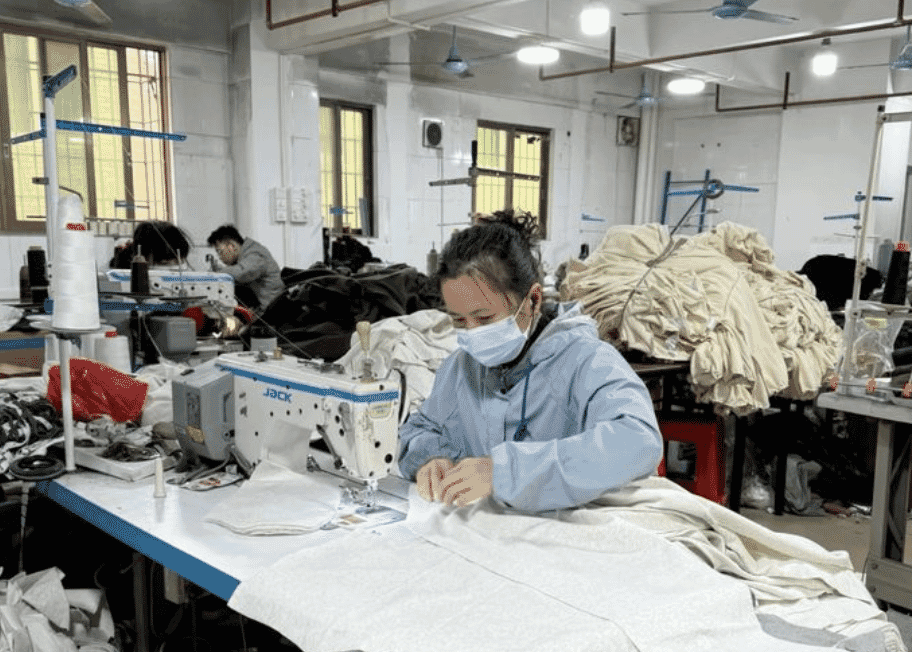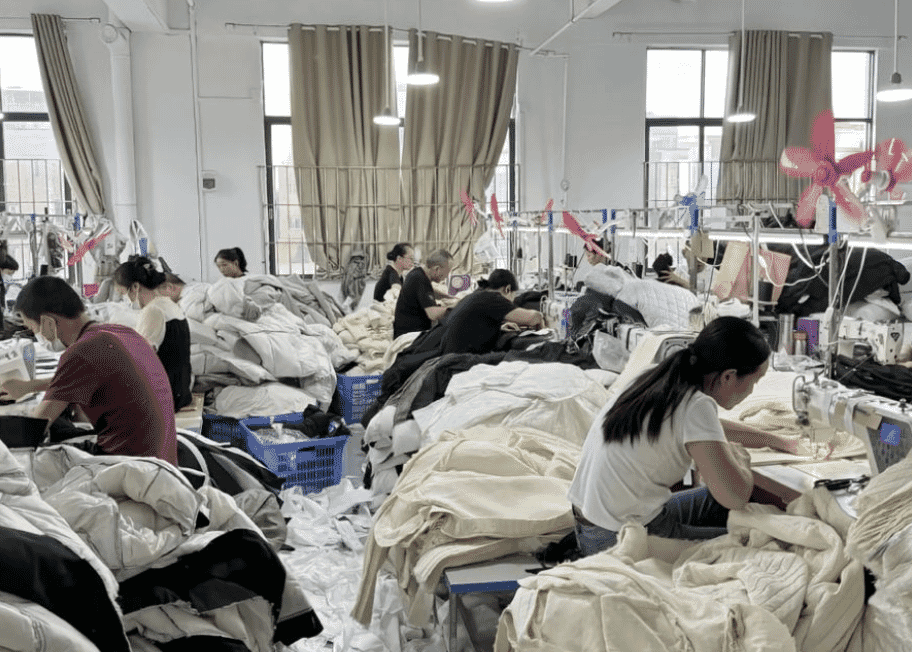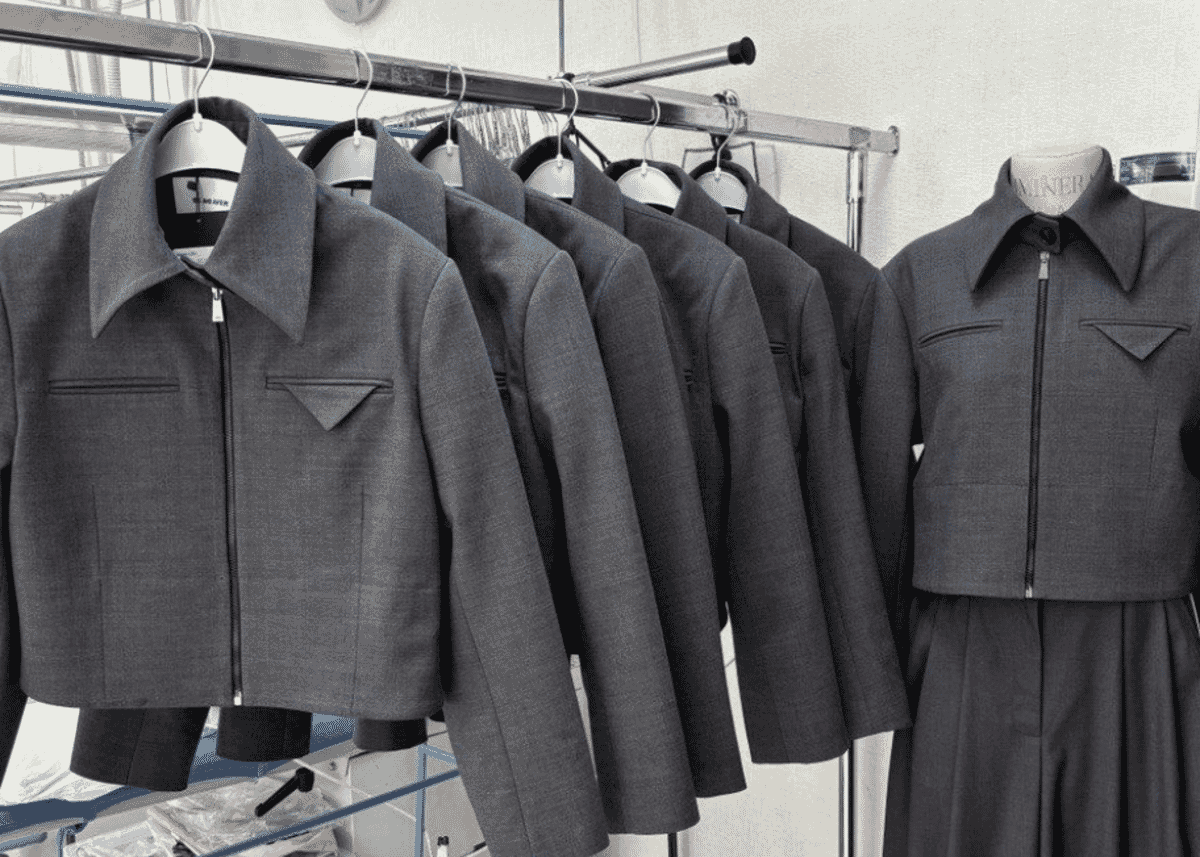
"Vendor" and "manufacturer" get used as if they mean the same thing. They do not, and the gap between them is the difference between buying stock that already exists and commissioning something that does not.
A clothing vendor sells you garments. A clothing manufacturer makes garments to your specification. If you want your own label on your own pattern, you need the second one, and a large share of the companies that appear when you search for vendors are the first.
China exported $165.24bn of apparel in 2024, more than any other country (Sheng Lu, FASH455, citing WTO data, 2025). Both models are served at scale, often by companies that describe themselves identically.
Note: China Clothing Manufacturer is a group of documented clothing factories in China, producing for brands from 100 units. Ranges in this guide come from published industry sources and are given as market ranges, not as quotes from a specific factory. We confirm exact MOQ and price with the factory when you send a brief.
Key takeaways
- A vendor sells existing stock. A manufacturer makes to your pattern. Different businesses, different risks.
- Wholesale vendors have low minimums because the goods already exist. That is the whole reason.
- White label means their design, your label. Private label means your design, their production.
- You cannot control fit, fabric or sizing on a vendor purchase. You are buying what was made.
- Vendor goods usually come with no fabric composition guarantee and no certification chain.
- Verify the business licence and the registered scope. Trade-only registration answers the question for you.
What Is the Difference Between a Vendor and a Manufacturer?
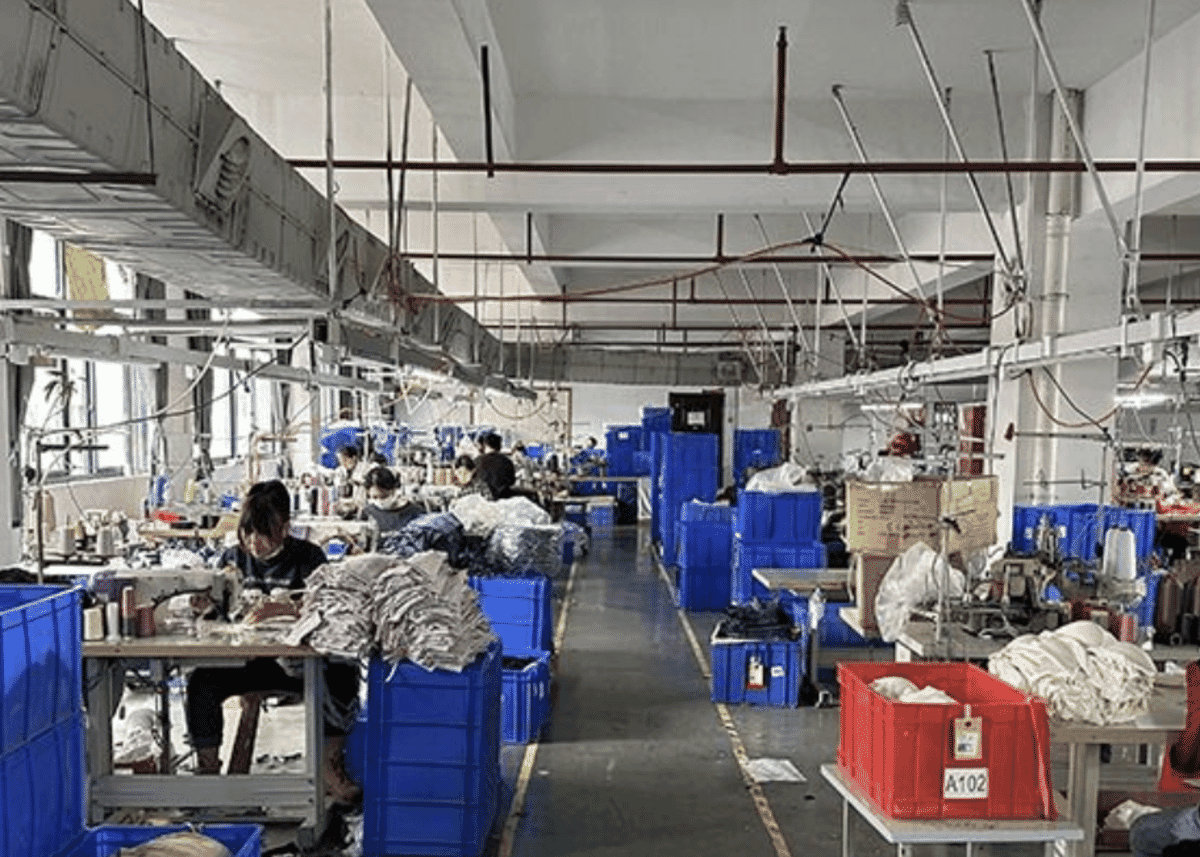
The distinction is about when the garment came into existence relative to your order. A vendor's stock exists before you appear. A manufacturer's does not exist until you commission it. Everything else that separates them, the minimum, the lead time, the ability to change anything and whether you can reorder identically, follows from that one fact rather than from how the company describes itself.
That single fact drives everything else. A vendor can ship next week because the goods are on a shelf. A manufacturer cannot, because there is pattern-making, sampling, fabric procurement and a production slot between your order and your delivery.
It also drives the minimums. Vendors sell from stock in small quantities, sometimes by the dozen. Manufacturers quote hundreds per colourway, because a production run has fixed set-up costs that do not shrink.
| Vendor | Manufacturer | |
|---|---|---|
| What you buy | Existing stock | Production to your spec |
| Minimum | Low, sometimes dozens | Hundreds per colourway |
| Lead time | Days to weeks | Weeks to months, plus sampling |
| Fit and grading | Fixed, theirs | Yours |
| Fabric choice | Whatever it was made in | Specified by you |
| Your label | Sometimes, at extra cost | Always |
| Repeatable | Only while stock lasts | Yes, same pattern next season |
Ranges come from published industry sources. We confirm exact MOQ and price with the factory when you send a brief.
Citation Capsule: A clothing vendor sells stock that exists before the order is placed, which is why minimums are low and lead times short. A clothing manufacturer produces to the buyer's specification, which is why minimums run to hundreds per colourway and lead times include pattern-making and sampling. Fit, grading and fabric are controllable only in the second model.
Skip the search: the China factory directory ($49) lists documented factories by category, city and capability, with the verification status of each. One-time payment, instant download.
| Question | Vendor / stock | Manufacturer / production |
|---|---|---|
| Does the garment exist yet? | Yes, before you ordered | No, until you commission it |
| Can you change the fabric? | No | Yes |
| Can you reorder identically? | Only while stock lasts | Indefinitely, to specification |
| Who holds the compliance file? | Usually nobody | The factory, and you |
| Registered scope on the licence | Wholesale and retail trade | Manufacturing |
| What you are buying | Speed and a low minimum | Control and continuity |
The licence row is the one that settles it in thirty seconds.
White Label or Private Label: Which Do You Actually Want?
These two terms are used interchangeably and mean different things, and choosing the wrong one wastes a season. The practical difference is what a competitor can buy from the same supplier: under white label they can buy the identical product, under private label they can buy the same base style in a different configuration. Our guide to Alibaba private label sets out the five customisation tiers and who owns the pattern.
White label is their product with your label sewn in. The design, fit and fabric are theirs and are sold to other brands too. It is fast and cheap and your product is not distinctive, because it is not yours.
Private label is your design produced by them. You own the pattern and the specification. It costs more, takes longer, and the result is a product nobody else sells.
There is a middle path that suits a lot of first ranges: start from the vendor's existing block, then modify it. Change the fabric, adjust the fit, alter the trims. You inherit a proven pattern and avoid the cost of developing one from nothing, and the result is genuinely yours in the ways customers notice.
What you can and cannot change under each arrangement, and what your name on the label commits you to, is set out in private label clothing manufacturers in China.
Where Do You Find Clothing Vendors in China?
Three routes, and they suit different stages of a business rather than different budgets. Each one trades a different thing away, and the route that suits a first test order is rarely the one that suits a second season, which is why brands outgrow their first vendor quickly.
Wholesale markets. Guangzhou's clothing markets are the largest concentration, with Shisanhang alone running thousands of booths. You see and touch the goods, and you buy what is there. Markets and factories sit in different districts; our Guangzhou district guide shows which is where.
Online marketplaces. Fast to search and hard to verify. The listing tells you almost nothing about who made the garment or whether the company touched it.
Trade fairs. Phase 3 of the Canton Fair covers textiles and clothing, and the fair connects a very large international buyer base with suppliers (China Import and Export Fair). Good for discovery, poor for verification, because exhibiting proves nothing about production.
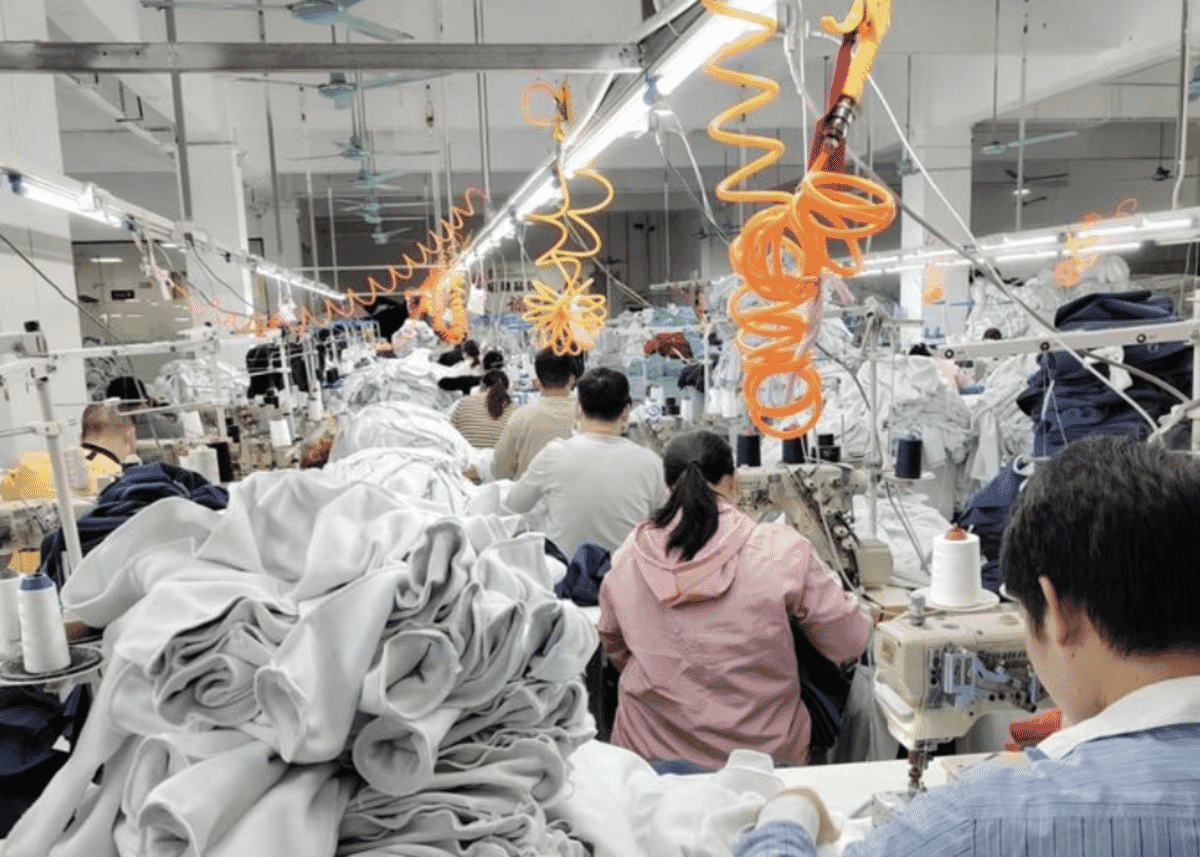
For the wholesale route specifically, including the markets and how buying actually works, see wholesale suppliers from China: stock or production. If you're heading to the Guangzhou markets in person, our Guangzhou clothing wholesale guide covers each market and how to plan the trip.
What Are the Risks Specific to Buying From Vendors?
Four, and they are different from the risks of commissioning production. In commissioned work the danger is that the goods are made wrong. In vendor purchasing the goods already exist and are what they are, so the risks are about what you cannot see, cannot document and cannot repeat.
No composition guarantee. A label saying 95% cotton on stock goods is a claim nobody has tested. If you are selling into a market with labelling rules, that claim becomes your legal problem, not the vendor's.
No certification chain. Certification attaches to a specific mill, process and batch. Stock goods bought loose usually carry none of that paperwork, so an OEKO-TEX or amfori BSCI claim cannot be traced to your units.
No repeatability. When the stock runs out, it is gone. Your bestseller becomes unrepeatable, which is a difficult conversation with customers.
Intellectual property exposure. Stock designs are sold to many buyers, and some of them are copies of someone else's product. You inherit that exposure when you put your label on it.
The intellectual property exposure is documented rather than theoretical. The 2025 USTR Notorious Markets List (2026) names physical markets in Guangzhou and Shenzhen where storefronts openly sell counterfeit clothing and accessories, and notes that enforcement at these markets remains weak and easily circumvented. Buying stock you did not commission means you cannot always tell which side of that line a vendor sits on.
Citation Capsule: Buying finished stock from Chinese vendors carries four risks absent from commissioned production: fibre composition claims that have not been tested, certification claims that cannot be traced to the specific batch, no ability to repeat a bestseller once stock is exhausted, and intellectual property exposure where the stock design is itself a copy.
The adjacent fraud patterns, including payment redirection and certificates without numbers, are covered in the scam patterns and how to avoid them.
How Do You Verify a Clothing Vendor?
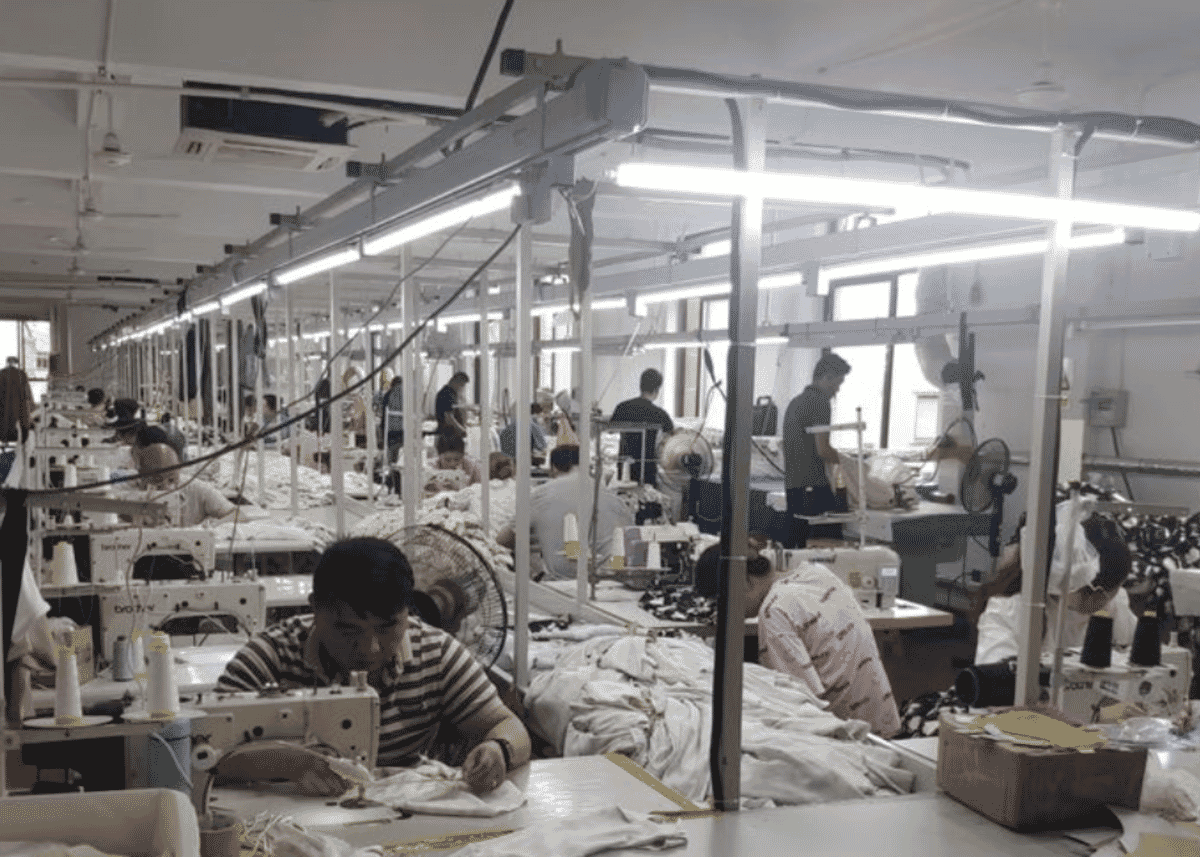
The same first check as any Chinese supplier, and it answers the vendor-or-manufacturer question without anyone having to be candid with you. The business licence carries a registered scope, and manufacturing and wholesale trade appear on it differently, which means the document settles in thirty seconds a question that a conversation can leave open for weeks.
- Business licence and unified social credit code. Confirm the company name matches the receiving bank account exactly.
- Registered scope. "Wholesale and retail trade" and "manufacturing" are different registrations. The licence tells you which business you are dealing with.
- Ask where the goods were made. A vendor who cannot name the factory is a reseller several steps removed from production.
- Get a pre-shipment sample from the actual stock lot, not a showroom piece. Stock varies between lots in a way production does not.
- Check the composition yourself if it matters commercially. A burn test costs nothing and catches the most common misdescription.
Not sure which one you are talking to? Send us the company name and we will tell you whether they manufacture or resell, at no cost. Send it here.
What a real factory floor contains, and how to read one on a visit or an unscheduled video call, is in our guide to what is actually inside a garment factory.
Citation Capsule: A Chinese company's business licence states a registered scope, and manufacturing and wholesale trade are recorded differently on it. Requesting the licence therefore settles whether a supplier produces or resells without relying on the supplier to volunteer that distinction, which is why it is the first check rather than a later one.
How Do You Pay a Chinese Vendor Safely?
Vendor purchases carry a different payment risk from commissioned production, because there is no sampling stage to build trust across and the relationship is often a single transaction. That removes the staged-payment leverage you would have on a production order, so your protection has to come from inspecting before you pay rather than from withholding a balance afterwards.
Match the account to the licence. The receiving bank account name must match the registered company name on the business licence, exactly. A request to pay a personal account, or a company with a different name, is the single most reliable fraud signal in this market.
Never pay in full up front on a first order. A deposit and balance against shipping documents is normal. Full prepayment to a supplier you have never used removes every lever you have.
Understand what trade assurance does and does not cover. Marketplace escrow protects the transaction: that goods arrived and broadly matched the listing. It does not adjudicate whether the fabric composition was as described or the sizing was consistent, which are the complaints that actually arise. For Alibaba specifically, our guide sets out what Trade Assurance and the supplier badges actually cover.
Keep the evidence. Photographs of the actual stock lot, the listing as it appeared, and the written specification. Disputes are decided on documentation, and vendor transactions generate very little of it unless you insist.
Citation Capsule: Payment risk on Chinese vendor purchases is managed through four controls: matching the receiving bank account name exactly to the registered company name on the business licence, avoiding full prepayment on a first order, understanding that marketplace escrow covers delivery rather than specification disputes, and retaining photographic and written evidence of the specific stock lot purchased.
What Labelling and Compliance Do You Inherit?
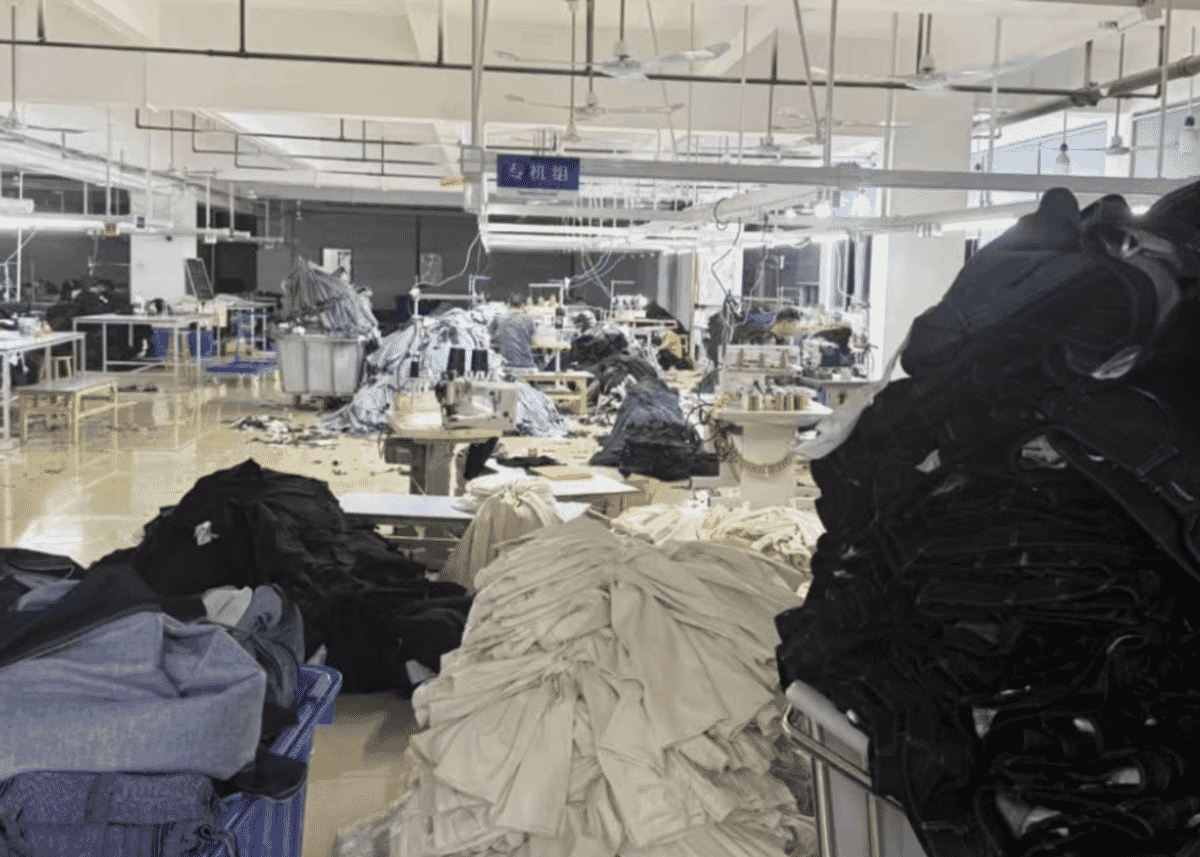
When you put your label on someone else's stock, their manufacturing decisions become your legal position. Four areas catch brands out, and they share a cause: the obligations attach to whoever sells the garment under their name, regardless of who manufactured it or how little say you had in the specification.
Fibre composition. Most markets require accurate fibre content labelling. A composition label on stock goods is a claim nobody tested, and enforcement falls on the seller, which after relabelling is you.
Care labelling. Requirements vary by market and a generic symbol set may not satisfy them. Care instructions that ruin the garment generate returns regardless of whether they are legal.
Country of origin. Relabelling does not change where a garment was made. Origin marking rules apply to the goods, not the brand on them.
Restricted substances. Chemical compliance is set at dyeing and finishing, upstream of the vendor. Without a certificate covering that specific batch, an OEKO-TEX claim on the vendor's website tells you nothing about your units.
None of this makes vendor buying wrong. It makes it a decision to take knowingly, with testing where the exposure is real, rather than one taken because the minimum was low.
Citation Capsule: White label supplies the vendor's existing product carrying the buyer's label and is sold to other brands simultaneously. Private label is the buyer's own design with a pattern the buyer owns. A third route, modifying the supplier's existing block by changing fabric, fit and trims, delivers most of the distinctiveness of private label without the cost of developing a pattern from nothing.
Certification claims are checkable by number rather than by logo: what each textile certification actually verifies sets out which database covers what.
Which Should You Choose for a First Range?
If you are testing whether a product sells at all, vendor stock is the cheaper experiment. Low minimum, fast delivery, no development cost. You learn whether customers want it before you commit to a production run. The mistake is not starting there. It is staying there past the point where a product succeeds and you need to make more of exactly the same thing.
If you are building a brand people return to, you need manufacturing. Consistent fit across seasons, a fabric you chose, and the ability to make it again are not optional once you have repeat customers.
Most brands that last do the first for one season and the second afterwards. The mistake is doing the first indefinitely and wondering why the range never feels like a brand.
If the answer is production, the minimums are lower than most brands assume: producing in China at small quantities explains where they actually come from.
How Do You Ship a Small Vendor Order?
Freight economics are where small stock orders quietly stop making sense, and the arithmetic is worth doing before you buy rather than after. A small order can carry fixed shipping costs that exceed the margin on the goods, and the point at which that happens is much higher than most first-time buyers expect.
Courier is fast, simple and expensive per kilo. For a few dozen pieces it is often still the right answer, because the alternatives carry fixed costs that swamp a small consignment.
Air freight becomes competitive at moderate weight but adds customs brokerage, handling and a destination charge. Those fixed costs do not shrink with the shipment.
Sea LCL, less than container load, is cheap per kilo and slow, and it carries port fees, deconsolidation and brokerage regardless of how little you ship. On a small order those fixed charges can exceed the freight itself.
Sea FCL, a full container, is the cheapest per unit and irrelevant until your volumes justify filling one.
Consolidation is the lever
Buying from three vendors in the same city and shipping three consignments means paying the fixed costs three times. A consolidator receives all three, combines them and ships once. If you are buying stock from multiple market vendors, this is usually the difference between a viable landed cost and a bad one.
And budget duty separately. Relabelling does not change origin, so the goods attract the duty their origin attracts. Confirm your classification against the live CBP and USTR schedules rather than assuming.
Before you buy stock
- Read the registered scope on the business licence: manufacturing or wholesale and retail trade.
- Match the receiving bank account name exactly to the registered company name.
- Get a sample from the actual stock lot, not a showroom piece.
- Test the fibre composition if you are relabelling and selling it as your own.
- Price the freight before you buy, including the fixed customs and handling charges.
- Consolidate purchases from multiple vendors into one shipment where you can.
Low minimums are not a discount. They are a description of buying what already exists.
How we tell a vendor from a manufacturer
- Business licence pulled and the registered scope read: manufacturing, or wholesale and retail trade.
- Production address confirmed as a facility rather than a registered office.
- Product range assessed against machine capability, since no single factory makes garments, bags and hardware.
- Direct question on where the goods were made, and whether the company can name the factory.
- Live video walk of the floor during Chinese working hours before we place any production.
We will tell you which one a company is at no cost, including when the answer is that they resell.
The full picture on terms, freight modes and what drives landed cost is in shipping from China to the USA.
Conclusion
The word "vendor" hides the question that matters: does this company make the garment, or sell one that already exists? Low minimums and fast delivery are not a bargain, they are a description of stock. Everything a vendor offers that looks like an advantage is the same fact restated, and everything it costs you appears later, at the point where a product sells well and cannot be reordered.
Check the registered scope on the business licence. Decide whether you need white label, private label, or a modified block. And if fit, fabric or repeatability matter to your brand, you are looking for a manufacturer whatever the listing says.
There is also a sequencing argument worth making. Vendor stock is a good way to learn what your customers actually buy, because it is cheap to be wrong. A season of stock tells you which silhouettes sell, which price points work and which colours move, and that knowledge is what makes the first production run worth committing to.
What it cannot do is build a product people come back for. Consistent fit across seasons, a fabric you chose deliberately and the ability to make the bestseller again are the things that turn a range into a brand, and none of them survive contact with a stock purchase.
We are a group of documented clothing factories in China, producing for brands from 100 units. Tell us the garment, the quantity and the fabric, and we place the brief with the factory in our group built for it, normally within 24 hours. You work directly with the factory. Flat fees, no factory commissions.
Get in contact Download the directory ($49)Need a tech pack? Get a factory-ready single-style tech pack for $79. See what's included.
Frequently Asked Questions
What is the difference between a clothing vendor and a manufacturer in China?
A vendor sells stock that already exists, which is why minimums are low and delivery is fast. A manufacturer produces to your specification, so minimums run to hundreds per colourway and the lead time includes pattern-making and sampling. Fit, fabric and grading are controllable only with a manufacturer.
What is the minimum order from a Chinese clothing vendor?
Vendors sell from existing stock and will often go down to dozens of pieces, because there is no production set-up to absorb. That low minimum is a description of what you are buying, not a negotiating win: you get the fit, fabric and sizing that were already made.
Is white label the same as private label?
No. White label is the supplier's existing product with your label sewn in, sold to other brands as well. Private label is your own design produced for you, with a pattern you own. A useful middle route is starting from the supplier's block and modifying the fabric, fit and trims.
Can I trust the fabric composition on Chinese vendor stock?
Not without testing it. Composition labels on stock goods are claims nobody has verified, and if you sell into a market with labelling rules that claim becomes your legal exposure. A burn test costs nothing and catches the most common misdescriptions.
How do I check whether a company is a vendor or a manufacturer?
Ask for the business licence and read the registered scope. 'Wholesale and retail trade' and 'manufacturing' are separate registrations, so the document answers the question directly. Also ask where the goods were made; a vendor who cannot name the factory is several steps from production.
Editorial note: all company names, certification marks and trademarks referenced here are the property of their respective owners. MOQ, cost and lead-time figures are market ranges compiled from the published sources listed below, not quotes from any individual factory, and they vary by product, fabric and season. Tariff figures were correct at the date of publication and the 2026 position is still moving. Always verify your own HTS classification and confirm terms directly with the factory before committing.
Sources
- Office of the United States Trade Representative (2026): 2025 Review of Notorious Markets for Counterfeiting and Piracy, naming online platforms and physical markets in China.
- Sheng Lu, FASH455, University of Delaware (2025): WTO-based analysis of global textile and apparel trade.
- China National Garment Association, Industry Overview: provincial concentration of garment output and the national cluster map.
- OEKO-TEX Label Check: public verification of certificate numbers.
- amfori BSCI: social audit system documentation.
- Office of the United States Trade Representative: Section 301 tariff actions and exclusion process.
- US Customs and Border Protection: trade remedies and duty administration.
- China Import and Export Fair (Canton Fair): official fair information and phase structure.
Related Reading
- Clothing Suppliers in China: How to Find and Vet a Factory
- China Sourcing Agent vs Working Direct With the Factory
No commissions. No markups. The factory bills you directly.