Dresses, shirts and blouses in woven fabric, placed with a documented factory we have visited in person. 30% starts bulk; the 70% balance waits for a third-party inspection.
Free brief · Reply within 24h · Inspected before the balance
100pcs MOQ
2–4wk sampling
7–9wk bulk
30/70after inspection
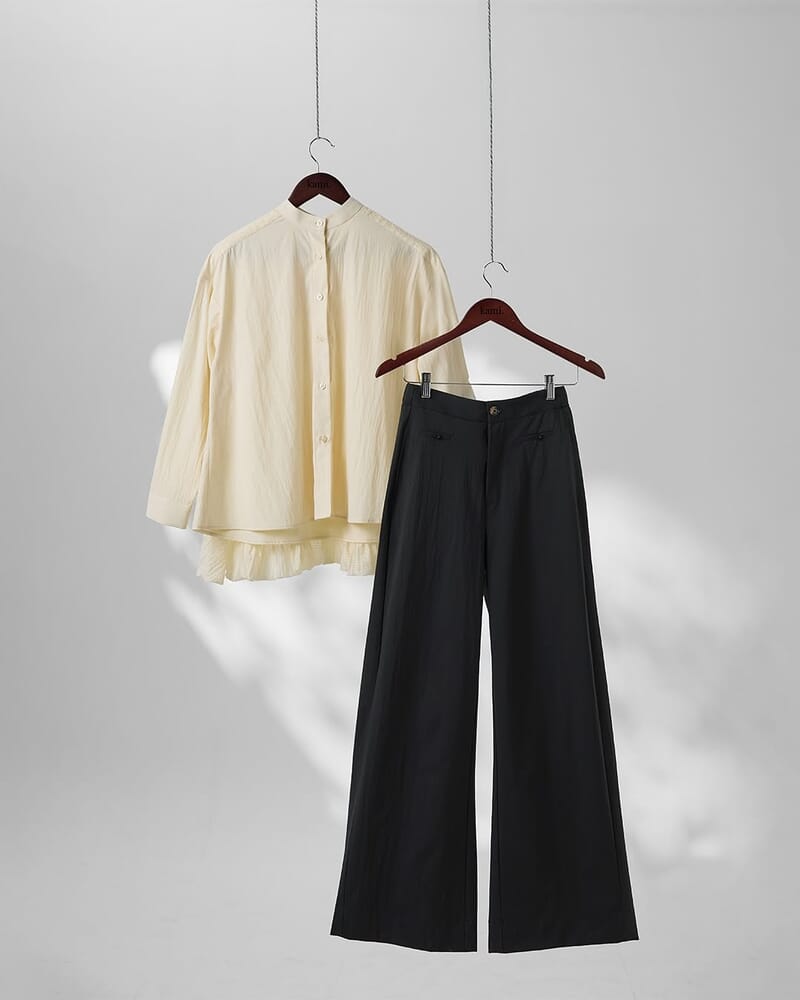
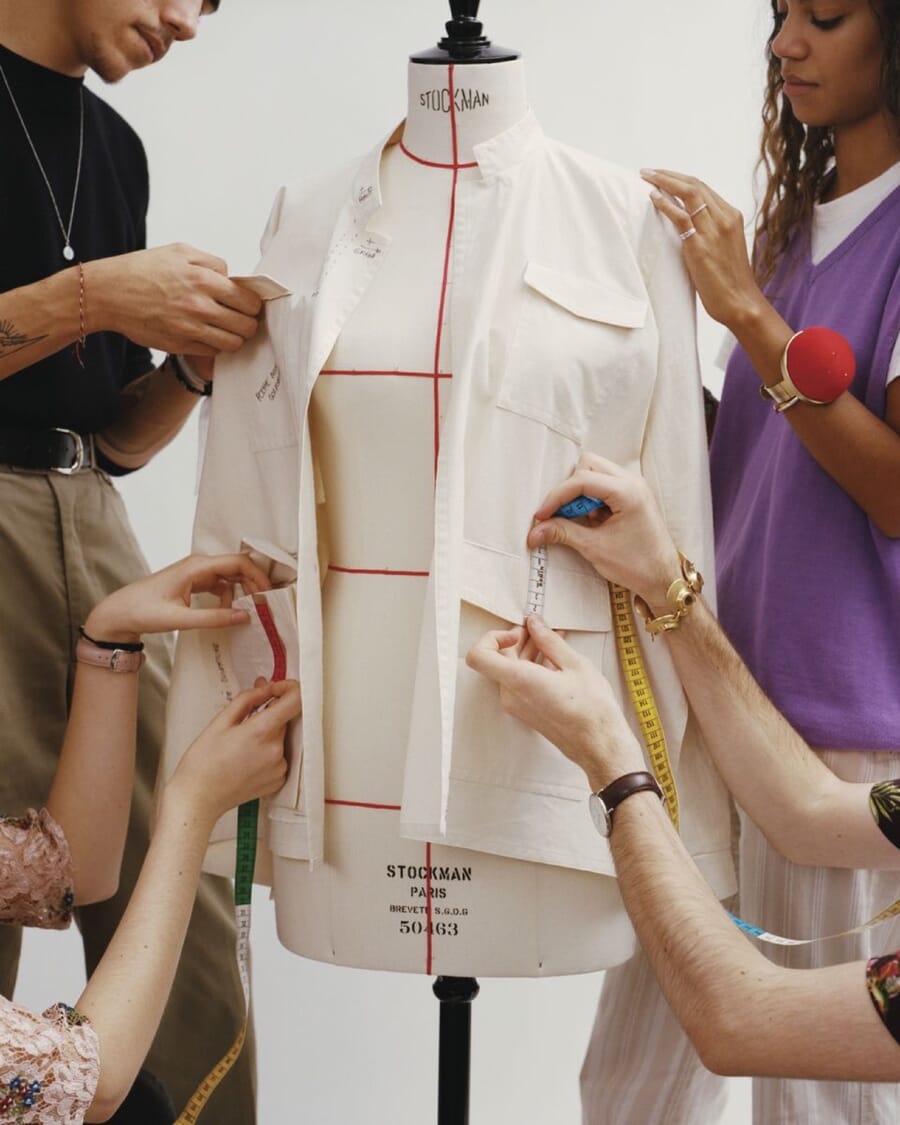
Style reference: a woven shirt and wide trousers (photo: Instagram)
Tech packExample tech pack by Pinterest user Glitter Fox West
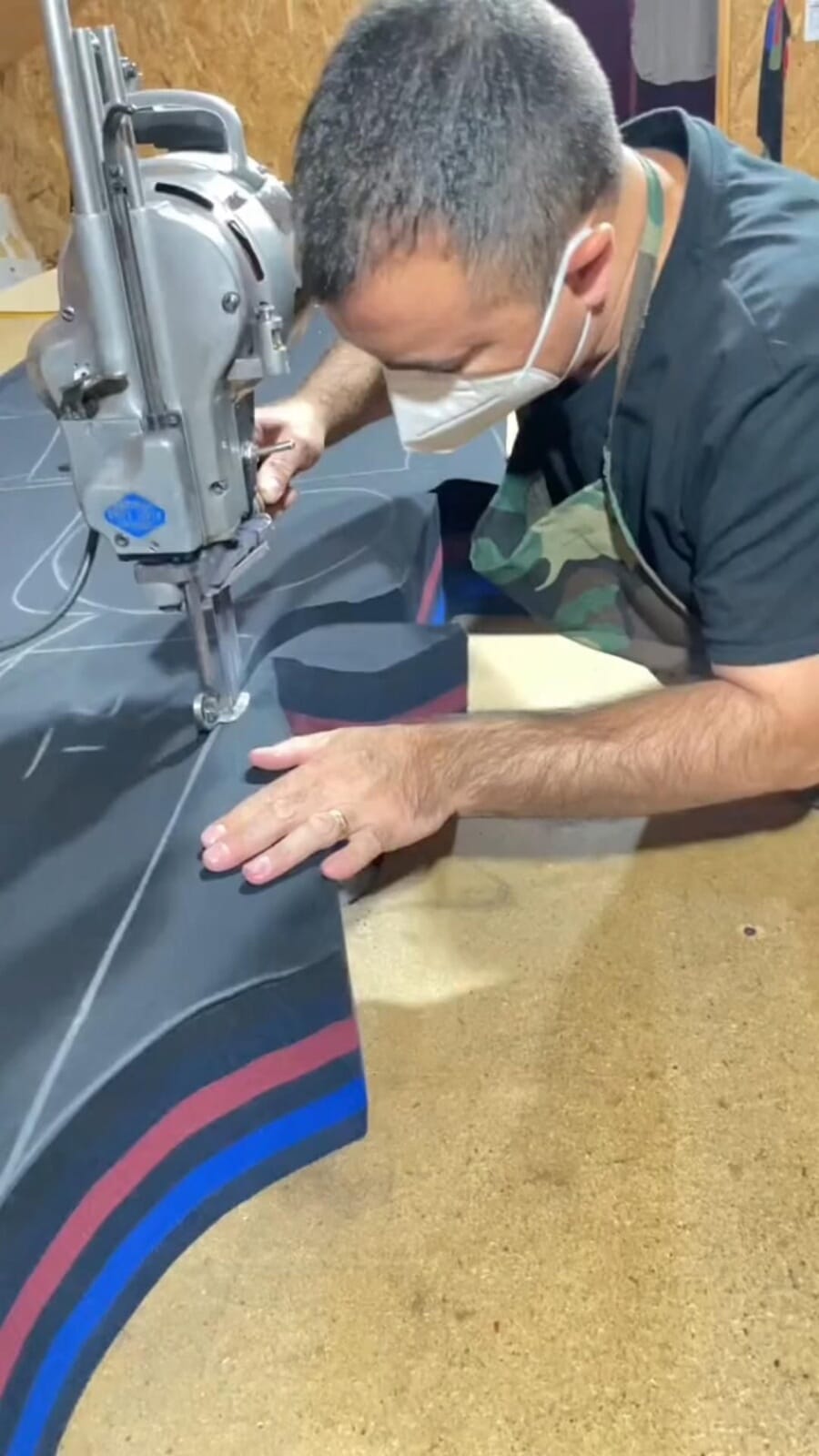
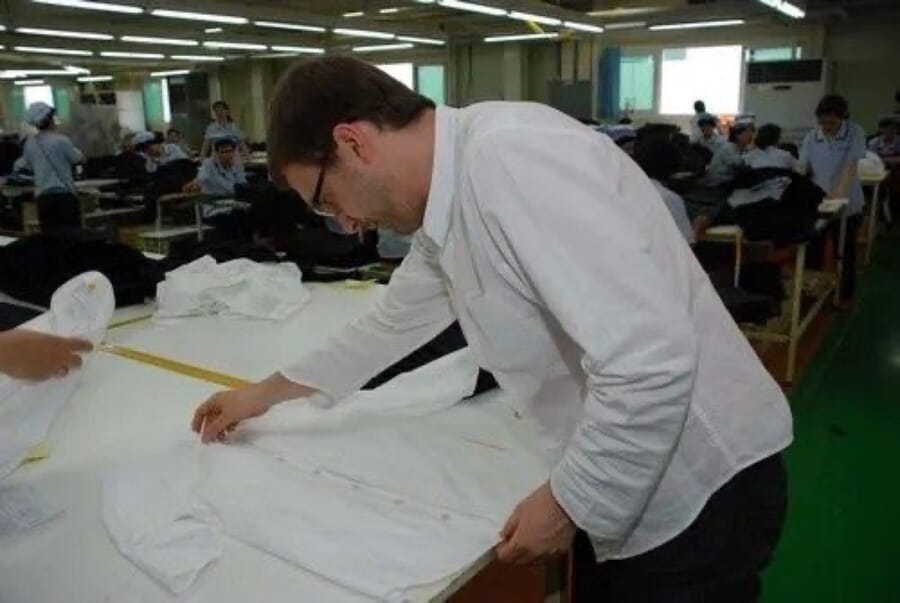
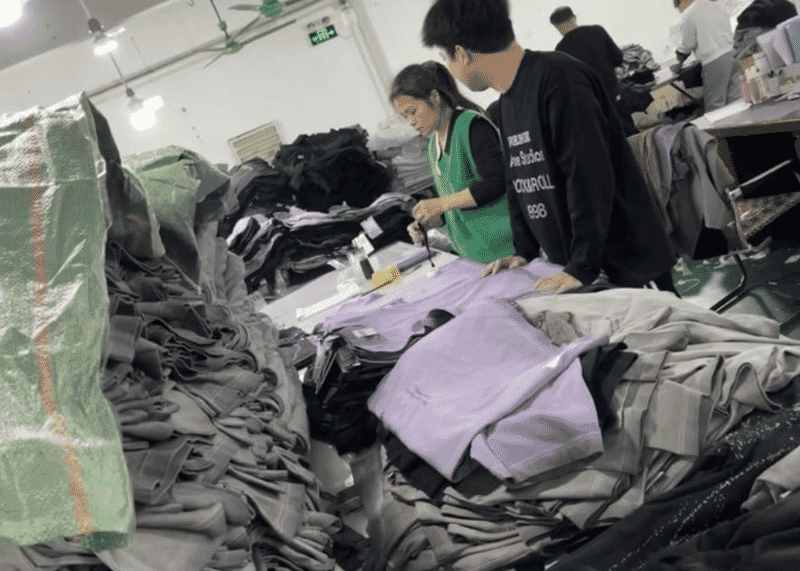
CuttingCut from the approved pattern
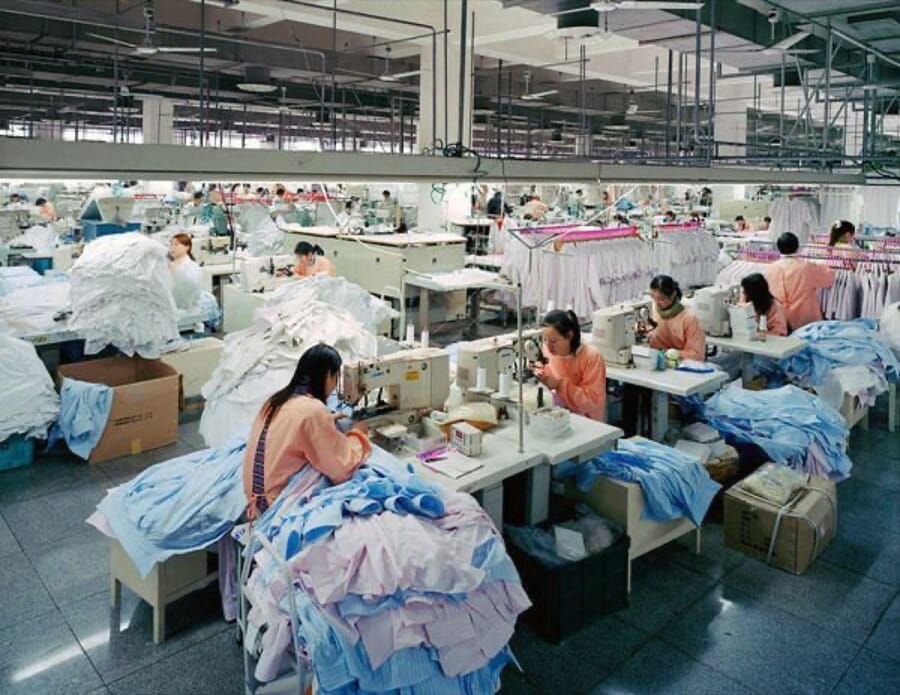
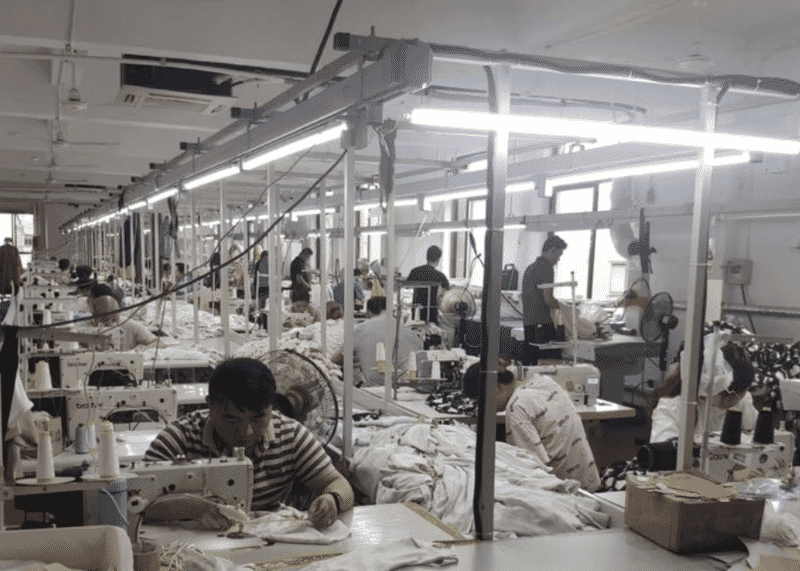
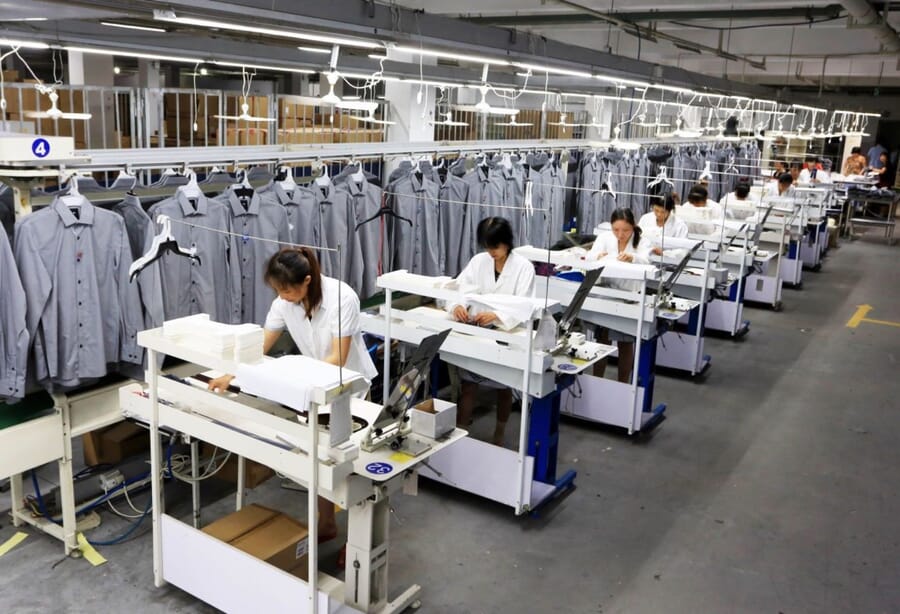
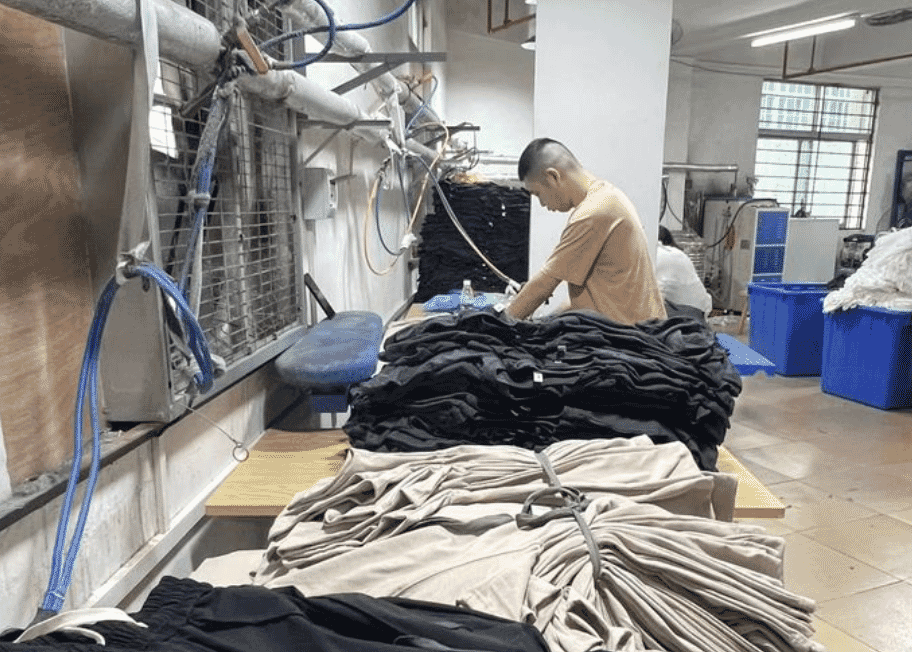
SewingShirts and dresses on the line
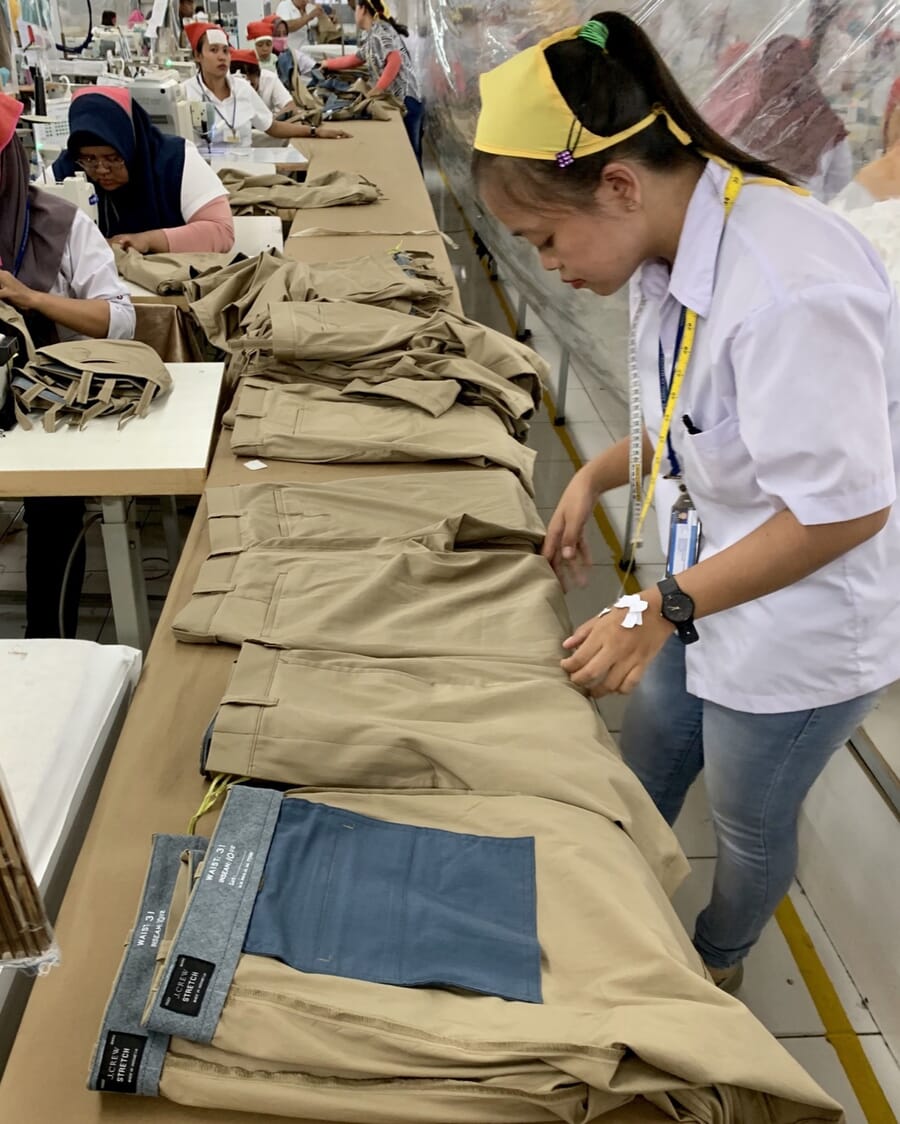
InspectionMeasured against your spec
Checked before you pay
Third-party inspection before the balance
30% deposit · 70% balance
Factories visited in person
From 100 pcs per style
Reply within 24h
No commissions from factories
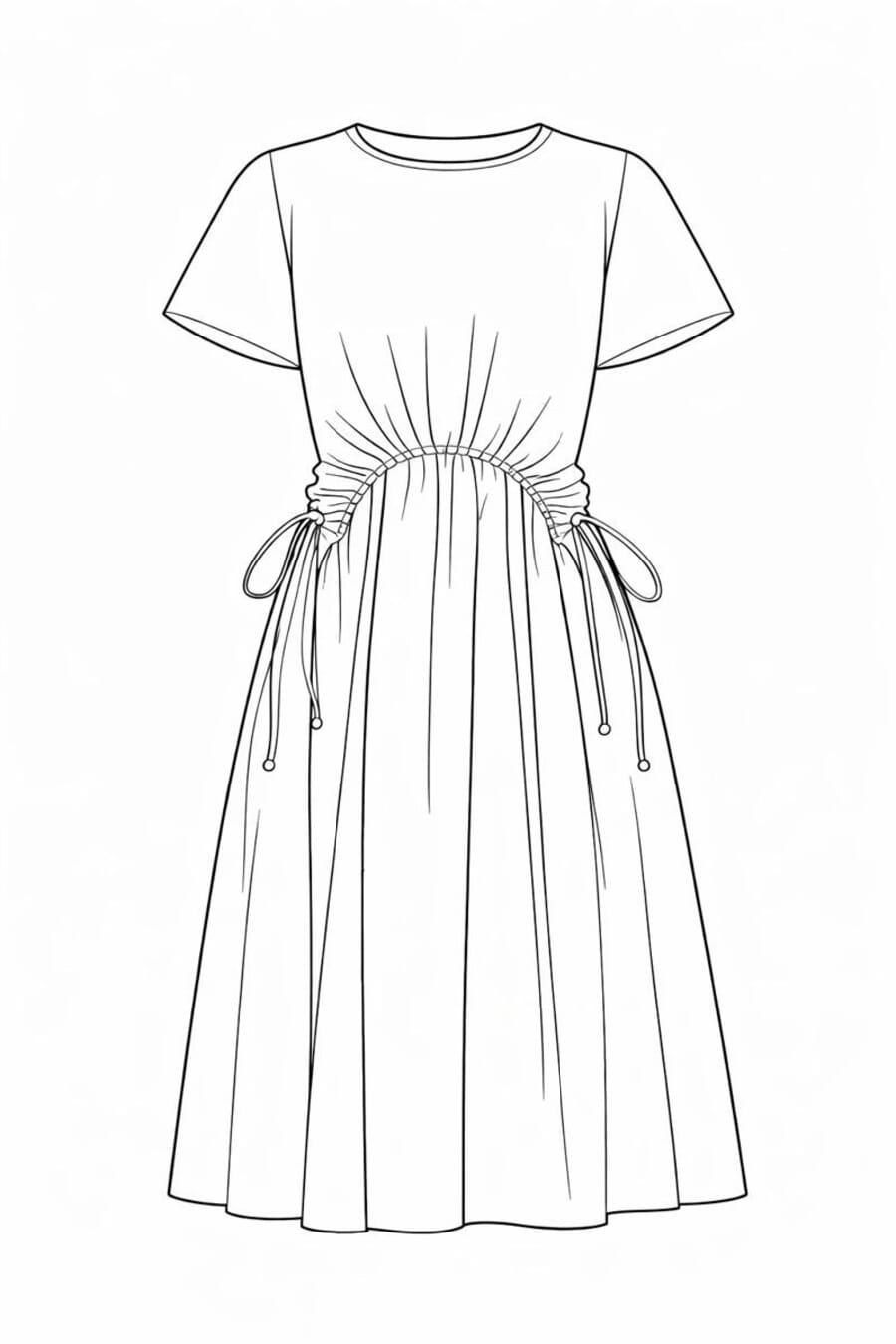
Flat · DRS-01 · IllustrativeMOQ 100 pcs
Collar and placket
Waist seam
Sleeve and cuff
Hem
A tech-pack style flat. Your tech pack names each of these points with a measurement and a tolerance.
What you can brief
Dresses and wovens you can brief
Woven garments are fabric-led and fit-led. Send the fabric you want (or a swatch you like) and the fit, and we place it with a line that sews that weight.
Styles
Shirt dresses and slip dresses midi, maxi or mini.
Wrap and tiered dresses name the lining, if any.
Poplin and linen shirts for a woven top range.
Blouses with or without collars and cuffs.
Fabrics
Poplin and cotton wovens shirting weights.
Linen and linen blends ask for the certificate if you claim organic linen.
Viscose, satin and crepe for drape; they need careful cutting.
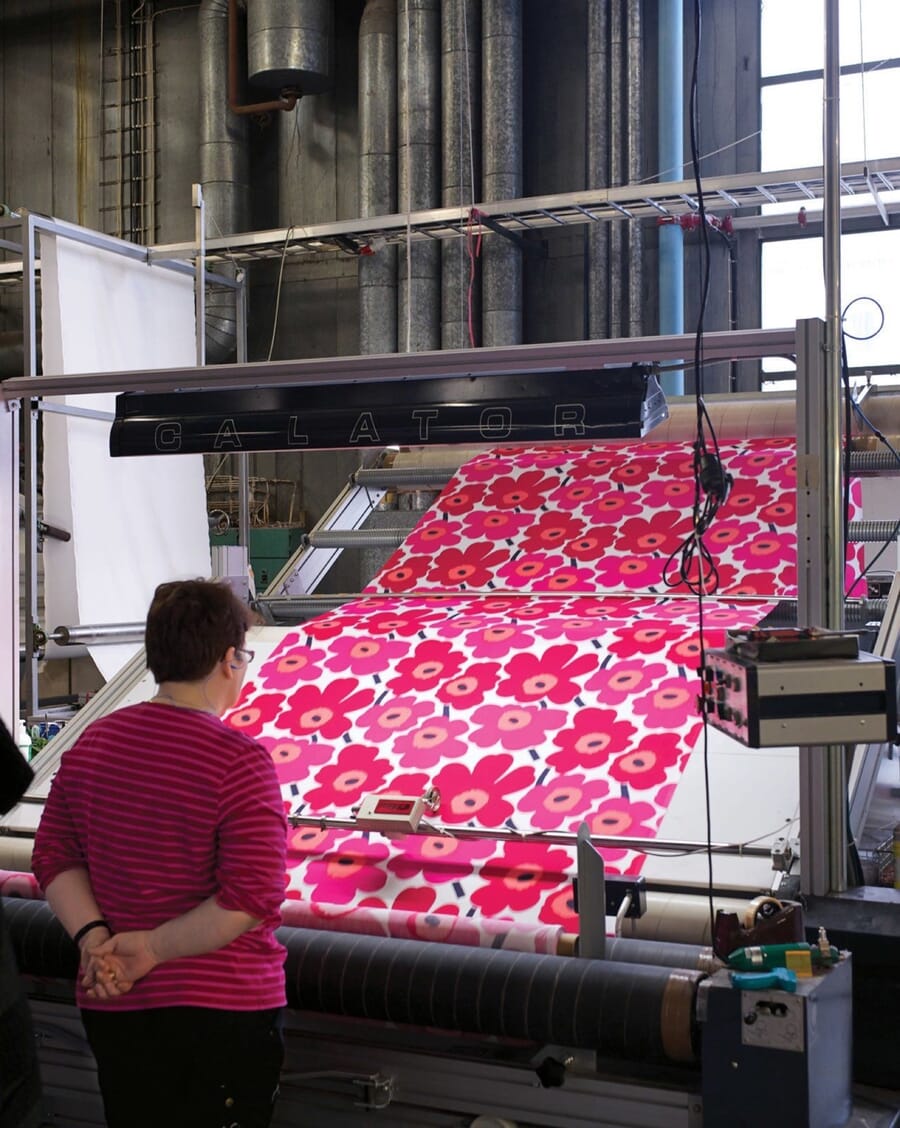
Prints stock prints, or your own artwork printed by the mill.
Finishes and details
Linings full, half or none; named on the bill of materials.
Buttons, zips and hooks color-matched and approved on a trims card.
Smocking, pleats and gathers each one a line on the tech pack.
Labels and pressing care, size and woven labels, pressed and bagged.
No tech pack yet? We draw it: $79 per style, 3–5 working days, 2–3 revision rounds, one flat price.
Cost and time
What a dress costs, and how long it takes
The typical cut, make and trim cost, and the calculator estimate for a finished dress. Fabric decides more of a dress price than of most garments.
Calculator estimate · Dress300–500 pcs
$18.00–$38.00per piece · FOB estimate
100–300300–500500–1,0001,000+
Units per style
Estimate per piece
100–300 pcs
$21.60–$45.60
300–500 pcs
$18.00–$38.00
500–1,000 pcs
$15.84–$33.44
1,000+ pcs
$14.04–$29.64
Calculator estimate for a woven or knit dress, FOB, per piece. Mid fabric, standard construction, no extras. An estimate, not a quote: the factory quotes from your tech pack. Duty and freight are not included; confirm your HTS code with your customs broker.
What goes into the number
$14–32typical cut, make and trim per dress; fabric, trims, complexity and quantity move it
Fabric. Tencel or silk moves the calculator estimate up by about 70%; organic cotton by about 30%.
Build. Linings, many panels, pleats or smocking move a style from standard to complex.
Trims. Custom woven labels about $0.60 a piece and hang tags about $0.35 in the calculator.
Prints. A custom print is made by the mill, with its own minimum per color.
You pay the balance after the inspection. Not before.
The usual China horror story starts with 100% paid up front. Ours ends with a third-party inspector checking the finished order before the 70% leaves your account.
01
Day 1
Brief
You send the product, quantity and date. We reply within 24 hours.
02
Visited factory
Quote & sample
A factory we have visited in person quotes you directly and makes the sample.
30%
Deposit
30% starts bulk
Paid to the factory once you approve the sample.
Before shipment
Third-party inspection
An independent inspector checks the finished goods against your tech pack.
Passed
70%
Balance
70% then ship
Paid only once the inspection report is back.
The factory bills you directly. Our fee, when there is one, is quoted in writing before any work starts.
A dress fails on fabric and fit. These are the three problems we see most, and the check that removes each one.
Risk 01
The fabric runs late
Custom-dyed or custom-printed fabric has its own mill queue. The factory cannot cut until it arrives, so the date slips before sewing starts.
The check
Choose stock fabric where you can, and approve the fabric before the pattern. We ask the factory for the fabric lead time before sampling.
Risk 02
Fit changes with the fabric
A pattern developed in one fabric and produced in another gives a dress nobody approved, especially in viscose and bias cuts.
The check
Lock the fabric first, then fit the sample on a person in that fabric. Measurements and tolerances go in the size chart.
Risk 03
Trims don’t match
Zips, buttons and linings are bought separately and arrive a shade off. Nobody signed off a trims card.
The check
Approve a trims card with the sample, and have the inspector check bulk against it before you pay the 70%.
Certificates: ask for the certificate number and the mill name, not the logo. We never claim a factory holds a certificate; the factory shows it to you.
Step 1 of your brief
What are you making, and how many?
Dresses and wovens are ticked. Add anything else in the same order, pick your units per style, and we reply within 24 hours.
Dress questions
Dresses from China: straight answers
What brands ask us before a first dress order, answered the way we answer by email.
Question not here?
Put it in your brief. Our team replies within 24 hours.
From 100 pieces per style. Custom-dyed or custom-printed fabric can raise the minimum per colorway, because the mill sets the minimum, not the sewing line.
Sampling takes 2–4 weeks. Bulk takes 7–9 weeks from the approved sample to goods ready to ship. Start at least 14 weeks before a ship date, and plan around Chinese New Year, when factories close for roughly two to four weeks.
Typical cut, make and trim is $14–32 a dress. The calculator estimate for a finished dress at 300–500 pieces is $18.00–38.00 a piece, FOB, before labels and extras. The factory quotes the real number from your tech pack.
The factory buys the fabric as part of a full-package order, and you approve it at the sample. If you already have a mill, the factory can work with fabric you nominate; say so in the brief.
The factory quotes you and bills you directly. Bulk starts on a 30% deposit. The 70% balance is paid only after a third-party inspection of the finished dresses. Our fee, if any, is quoted in writing before any work starts.
Read next
Before you send it, read these
The guide covers how to tell a factory from a trading company. The cluster pages cover where woven fabric and sewing sit.
Send the brief. We check the goods before you pay the balance.
Tell us what you are making. We reply within 24 hours with an honest answer on fit, and if it fits, a documented factory we have visited quotes you directly.